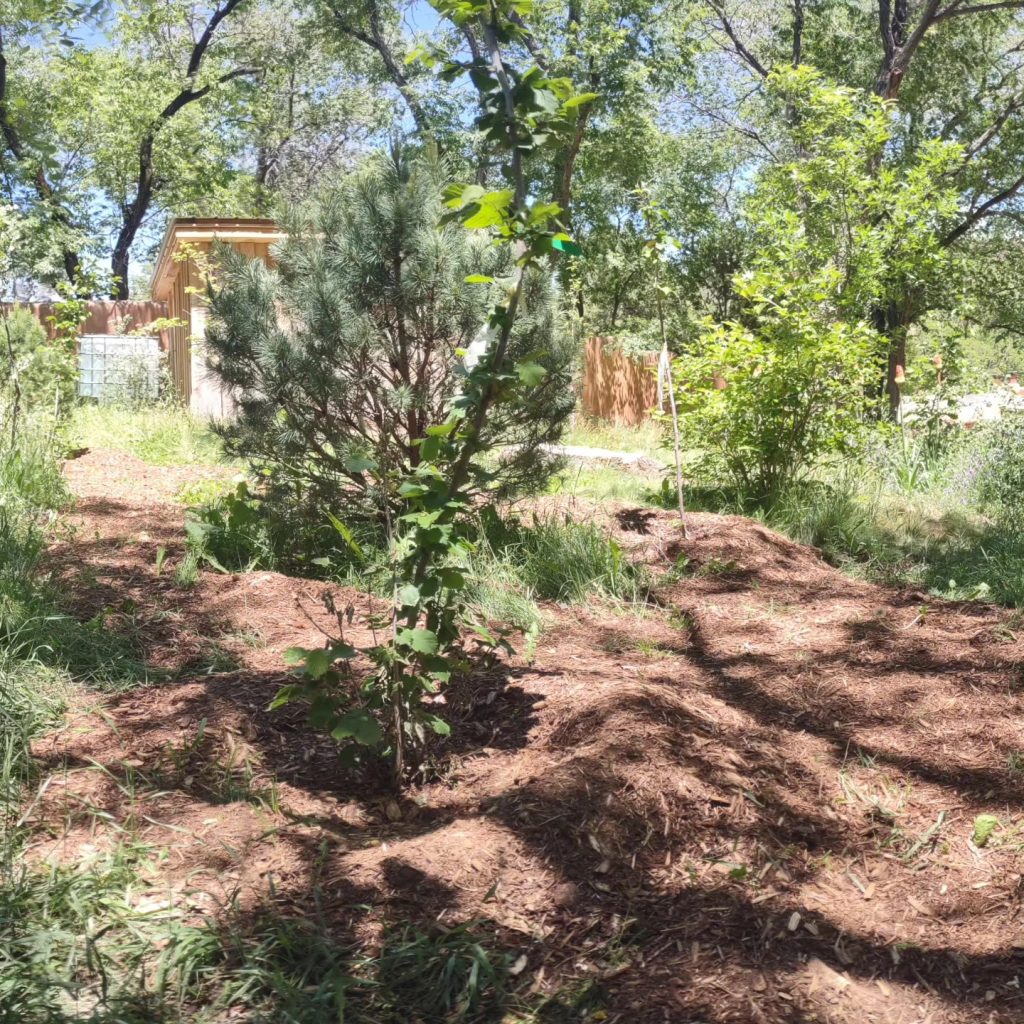
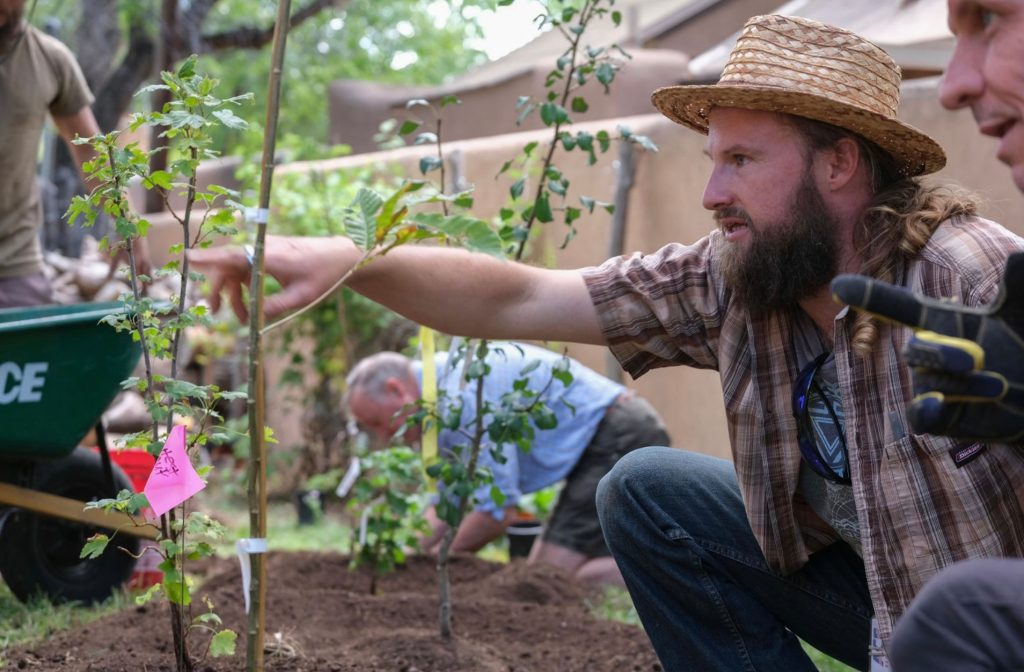
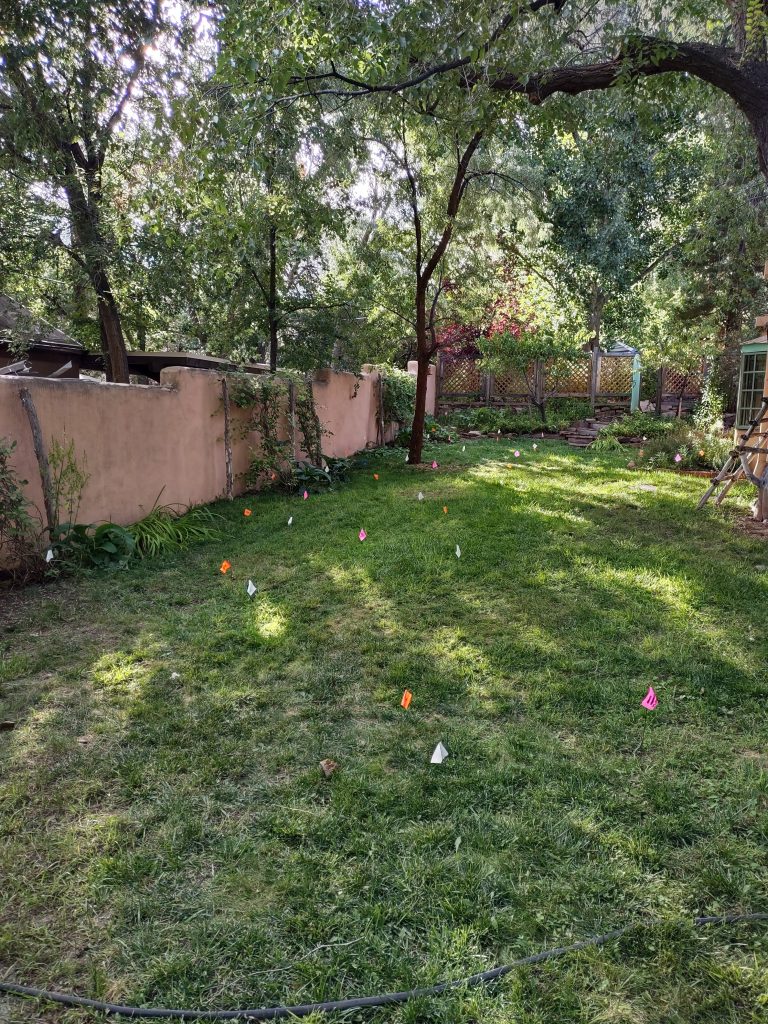
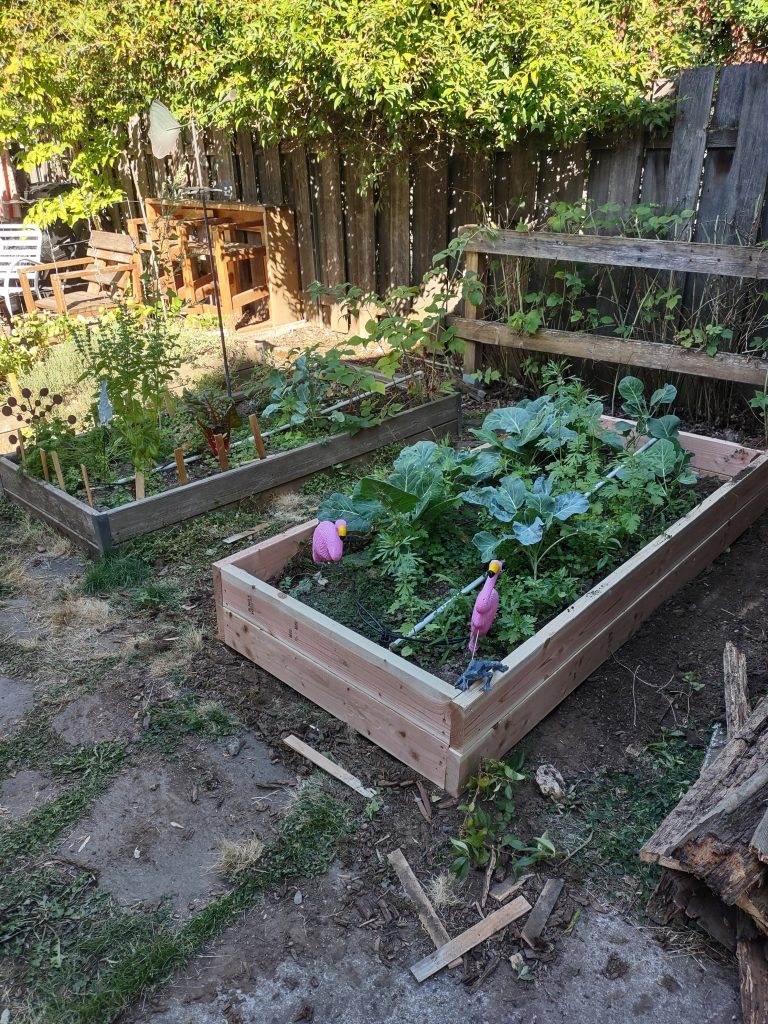
From 2021-2024 I worked with a national permaculture design company creating comprehensive designs and consultation support for clients in varying climates across north america. I supported a remote team of 6-8 designers and led two permablitz events at a private garden in new mexico, managing teams of installers and volunteers and educating on permaculture technique and philosophy.
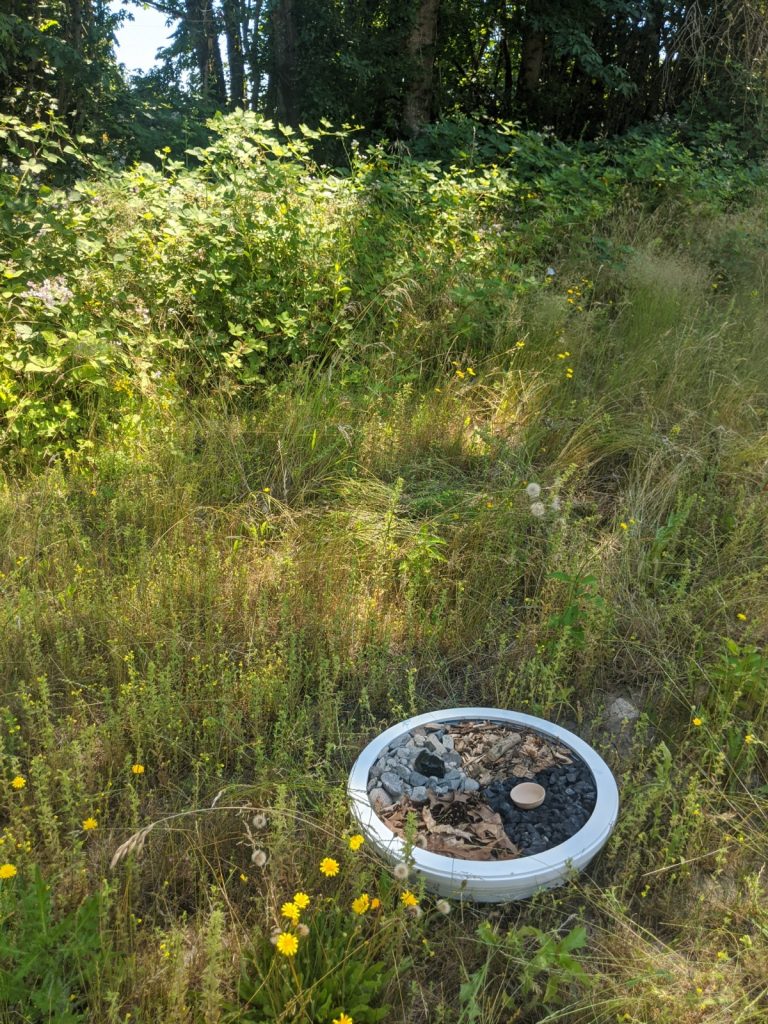
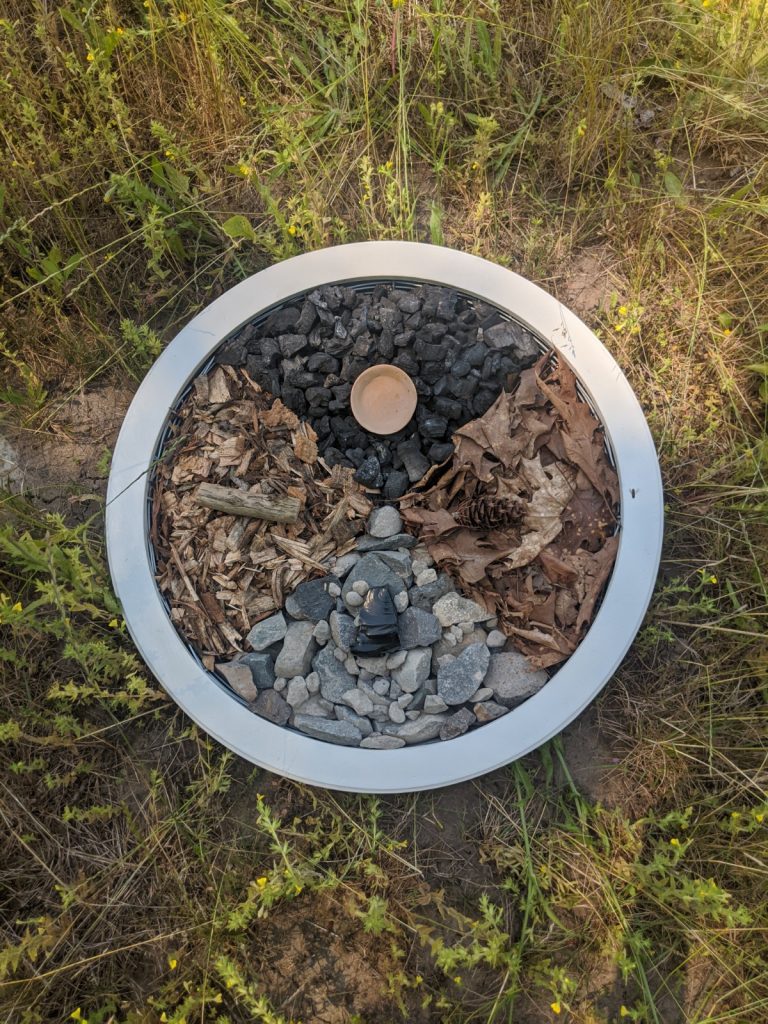
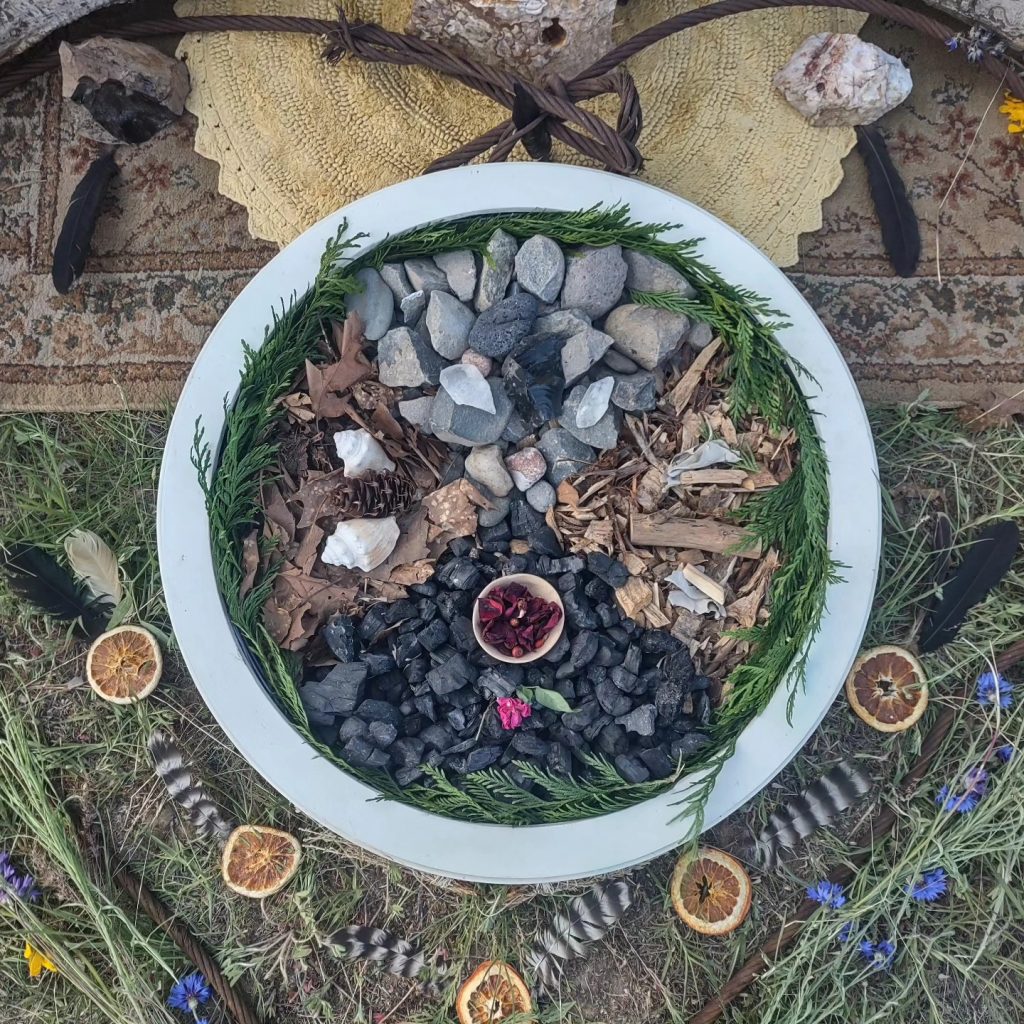
rooted in the form of the truth mandala (stick, stone, dry leaves and empty vessel) and incorporating the wheel of the year, this piece reflects the physical evidence of the multiple crises faced by the community within the local social ecology over the past year: the fires of fall 2020 (represented by charcoal/biochar), the ice storm of winter 2021 (represented by wood chips – the product of many fallen tree limbs), the respiratory pandemic of spring 2020 (represented by dessicated leaves), and the social unrest (represented by stone / gravel reflecting our urban environment). the X shape can also be read as the “extinction rebellion” logo, reflecting the ecological moment that these crises are rooted in
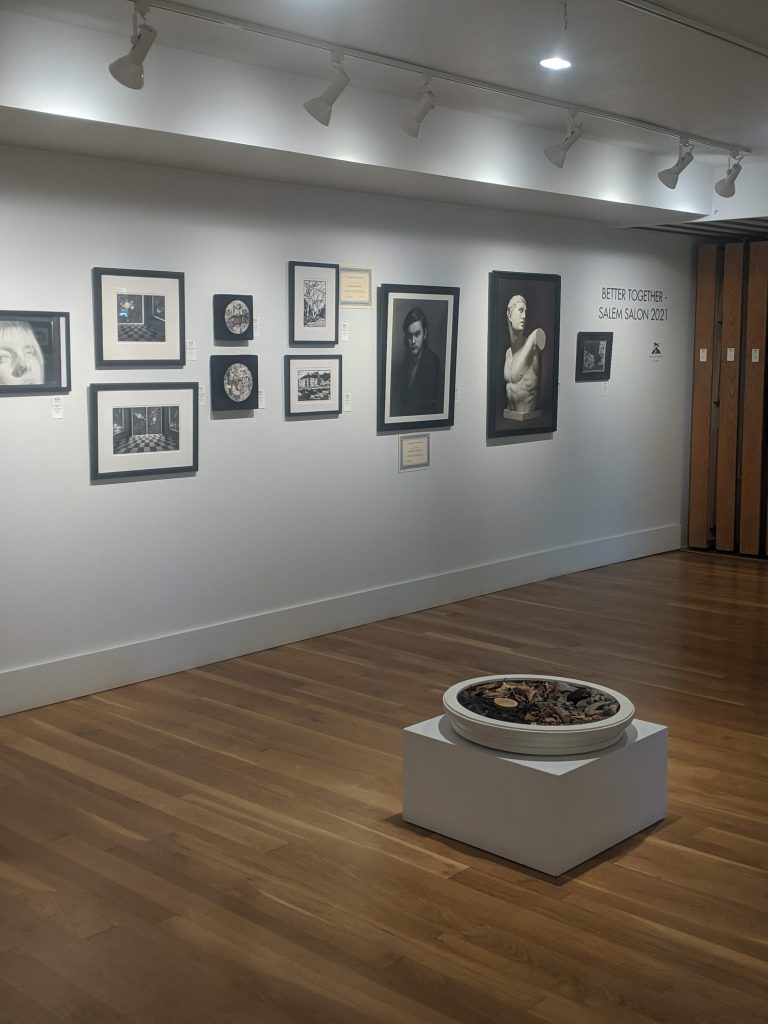
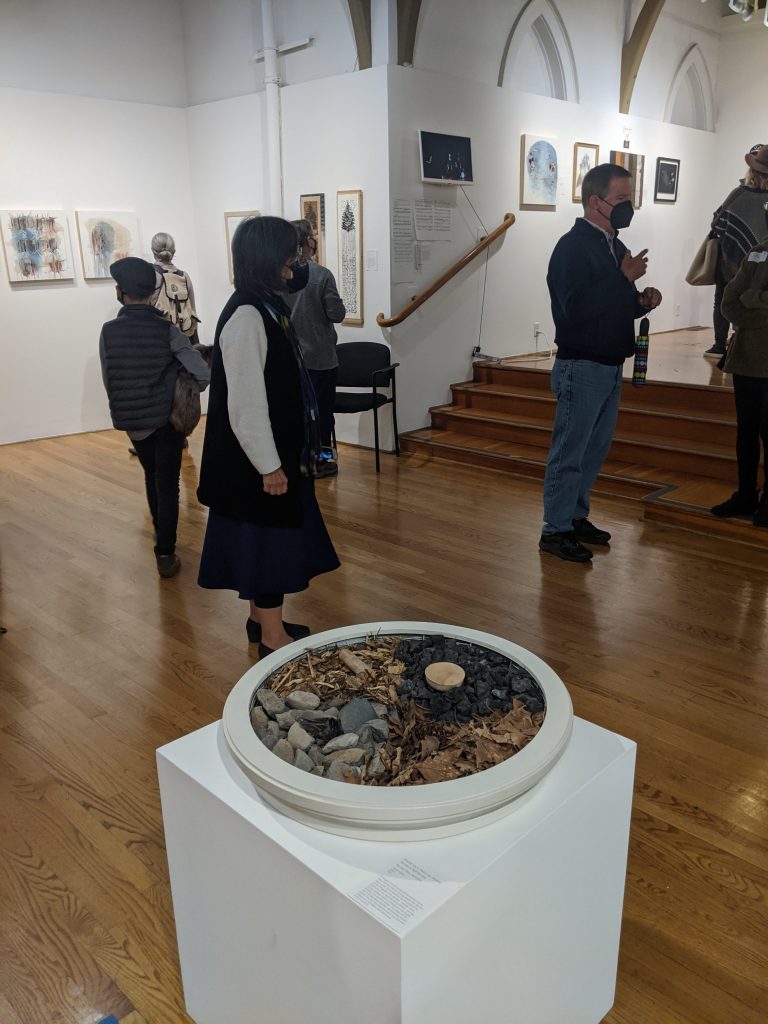
being framed, the piece takes ecological materials, which are loose, living, changing, compostable, and places them in the context of art which we usually experience as fixed, ephemeral, memorial. exhibitions: salem art association’s “better together” community show, salem, OR july 2021 art center’s “what would nature do?” juried exhibition, corvallis, OR oct-nov 2021 big heart gathering, lyle, WA may 2024
Michael Tank is an interdisciplinary artist, musician, writer, communications professional and ecological designer based in the coastal Mediterranean climate of North America.
UCLA School of the Arts and Architecture ’08, B.A. in Design | Media Arts, min. Geography | Environmental Studies, Regents’ Scholar. Permaculture Design Certificate, Living Mandala, Berkeley, 2010. Further study in coaching with the Academy for Coaching Excellence and advanced permaculture design at Oregon State University.
From 2006-2011, Tank freelanced as a print, web, identity designer for a variety of non-profit campaigns. His work includes the logo and branding for the California Student Sustainability Coalition (2009), a communications campaign designed to introduce the International Eco-City Standards at the UN (2011) and other global clients of EcoCity Builders, and the published anthology Stories Between Us, a collection of elders’ oral histories from the Berkeley Fellowship of Unitarian Universalists, in which he was also a featured essayist and advisor to the project.
An avid cyclist, car-free activist and co-founder of the Santa Monica Critical Mass bicycle ride in college, Tank later found a business niche and sit-spot in the micro-mobility startup scene in San Francisco at Scoot Networks, Bird Rides and Ridepanda.
Tank was on the production team for a planned film rendition of Starhawk’s The Fifth Sacred Thing, worked with Tree Media Group on the campaign for Leonardo DiCaprio’s The 11th Hour, and was on set for Nasser Abouelazm’s documentary American Dialectics.
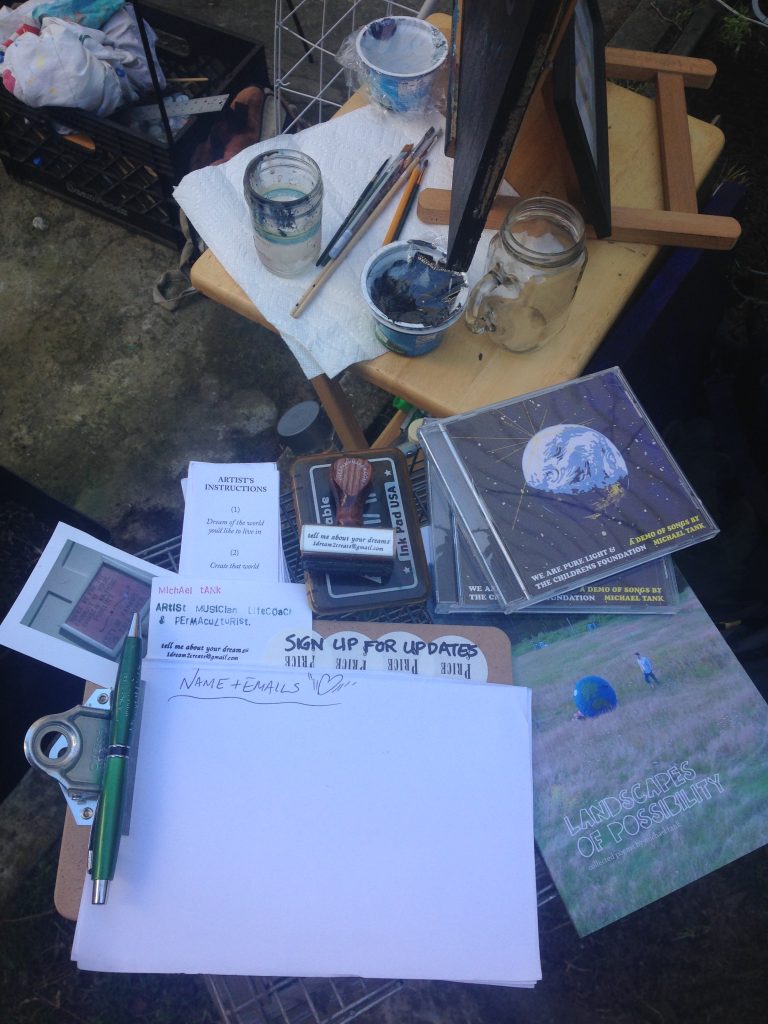
As an artist, Tank integrates design, photography, sculpture and illustration practices into simple, tactile images and installations that engage viewers in the state of our world and consciousness. His written work centers around universalist spirituality, ecological activism, and social transformation. In 2013, he self-published a poetry collection, Landscapes of Possibility, and a home-recorded EP Pure Light and the Children’s Foundation while working at the Red Victorian Peace Arts Center on Haight Street in San Francisco.
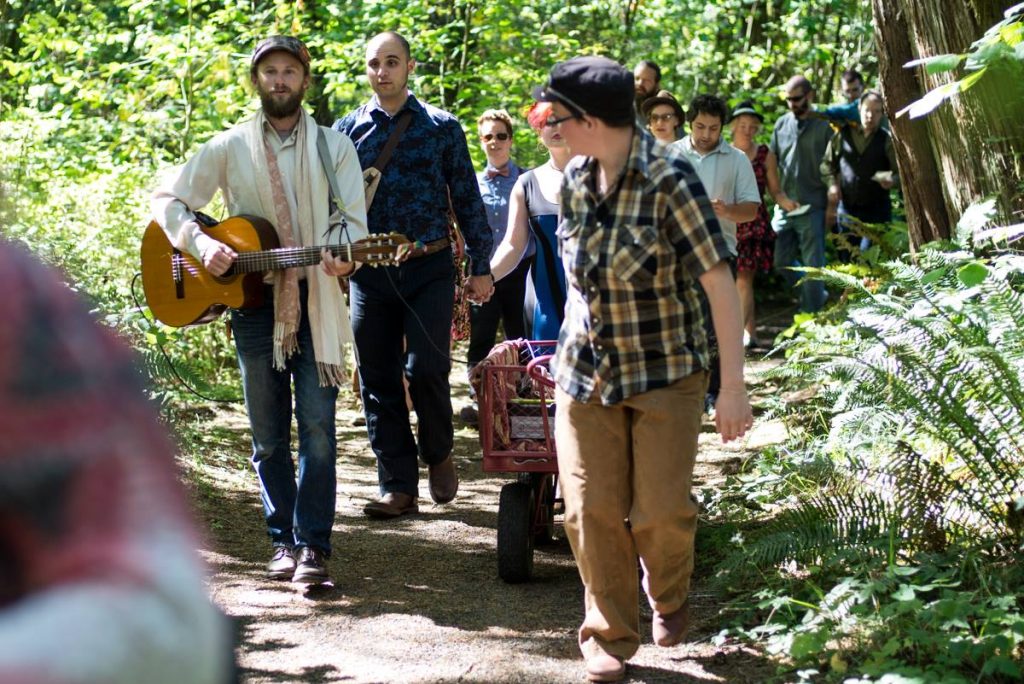
Tank has been a part of farm planning, intentional communities, and natural building in New England, California, Thailand, Costa Rica and Oregon. He has been leading song circles for over a decade and was certified as a leader in the Dances of Universal Peace in 2020.
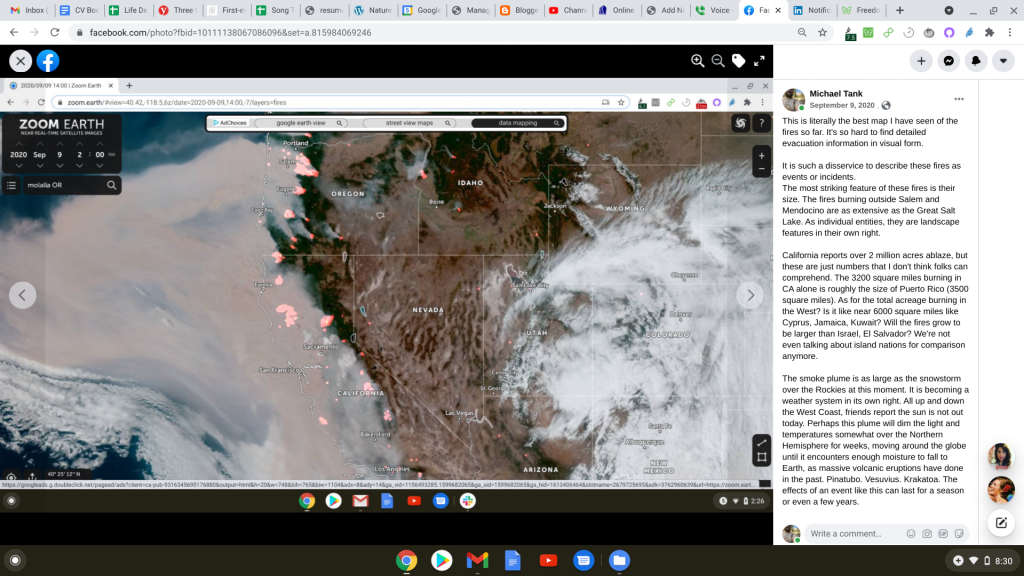
It breaks my heart to see the forests in the Bay Area and Northern California burning again. My father will likely lose his house. Many friends are evacuated. I and others are out of state in search of fresh air for compromised lungs.
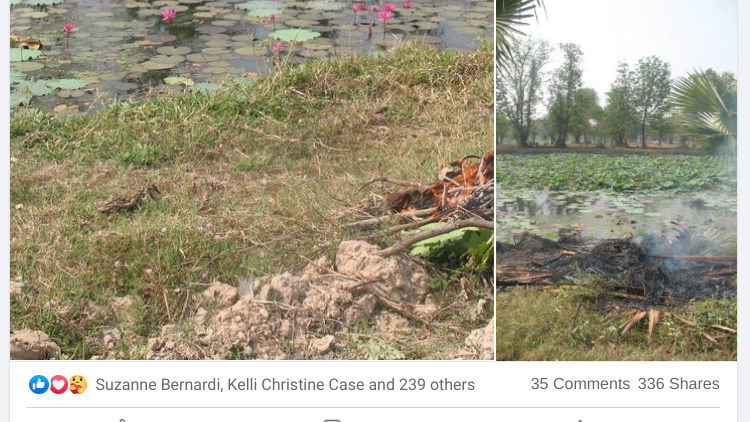
For those of you who are looking on at this disaster from the sidelines, I want to help you visualize what a mostly healthy, managed fire ecology looks like. This photo is Northern Thailand in 2012, where I spent a month in burn season. Notice the short grass and lack of ground fuels. The space between the trees in which livestock graze. The long views through the woods. The land tenders and monks setting bonfires and back-burns as a part of their seasonal chores. The unattended burn piles that are as common and mundane as the livestock. The slow burn lines on the hillsides. And yes, lotuses in the muck.
There are accounts of North America being like this in the colonial days – the one that comes to memory describes a forest so well managed that one could gallop a horse from New York to Chicago unencumbered. Some of our old-growth redwood forests have this quality of openness. Perhaps Big Basin will again for our children.
San Francisco lies not at the latitudes of London or Berlin – it shares more in common ecologically with Syria or Morocco. For those of us whose ancestors lived for centuries in the northern four-season climates, the skills and rhythms of a three-season fire ecology are foreign to our bones. The European settlers of California could never even begin to understand this tropical and Mediterranean phenomenon, and could not have seen what the indigenous peoples understood of the landscape after millennia tending it. California instead outlawed indigenous fire-tending practices. Government agencies have since managed the forests for timber or recreation – maximizing biomass instead of balancing ecology and fire risk. We can see the projection of these extractive and romantic ideals of Western ideology on the landscape, not only in the intrusions of wood-frame housing and power lines into the forests, but also in the untended thickets of manzanita and low-grade pine regrowth that you can see from almost any hike you might go on. Drive up into the woods almost anywhere in the American West and you’ll see this form of neglect.
When the fires come, I often see friends calling out for unseasonal rain for California – rain which will not come, or which will bring more lightning and more fires. This is magical thinking, and points to a learned helplessness. We cannot create rain, but we can reduce fuel.
When the immediate danger has passed, we must visualize and organize for California to become a thriving fire-tending society. Imagine herds of goats devouring blackberry and poison oak thickets. Learn to use a machete and a chainsaw. Petition the Governor to not only purchase more firefighting aircraft, but also hire indigenous leaders to help us undo the damage of the logger barons, and quit using prison labor to fight fires. Imagine and plan for sustainable, fire-defensible cities. Political coalitions between city and country that respect and enable the work that needs done to sustain the land. Economic support for ecological stewardship.
The apocalypse we are currently experiencing is the logical conclusion of our civilization. We must, instead, imagine something new and sustainable. We do not understand how it works yet, but some of us have the pieces. It is the only way.
In the wake of the Australian firestorm last year, there have been similar organizing efforts through a group called the Firesticks Alliance: http://www.firesticks.org.au/
I encourage people to support these efforts in your region to reintegrate indigenous cultural knowledge into landscape stewardship – as I hope you can understand from my writing, it takes generations of trial and error to learn to live in harmony with a landscape, and that is something that the vast majority of Californians are generally not attuned for.
Additionally, Ecosystem Restoration Camps has had a hub in Paradise since the Camp Fire. This is a permaculture-based model that can be used to help in this and coming years: https://ecosystemrestorationcamps.org/camp-paradise/
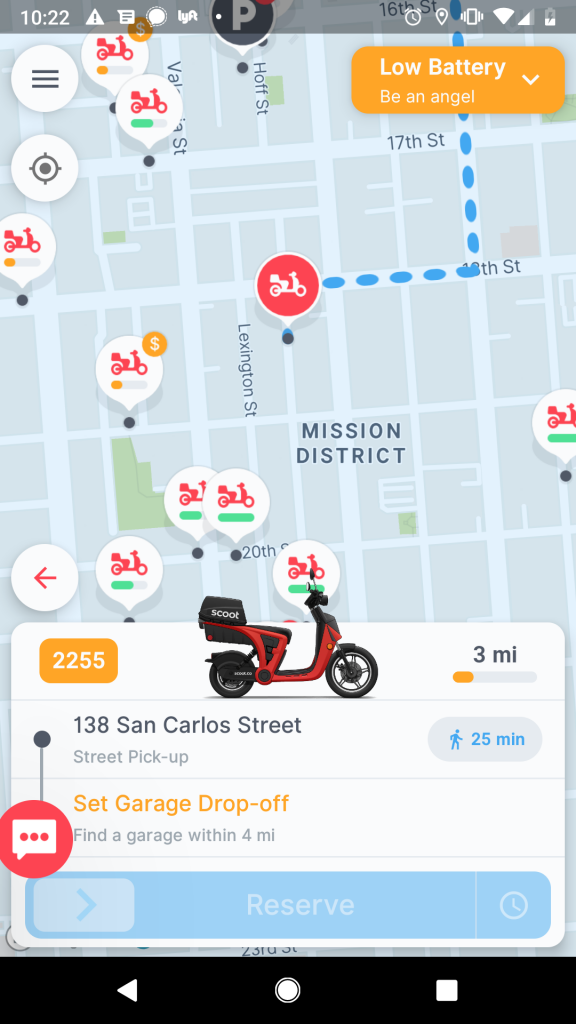
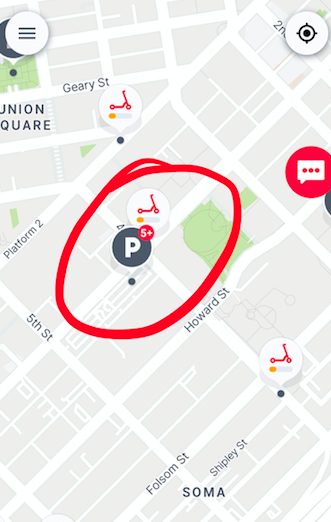
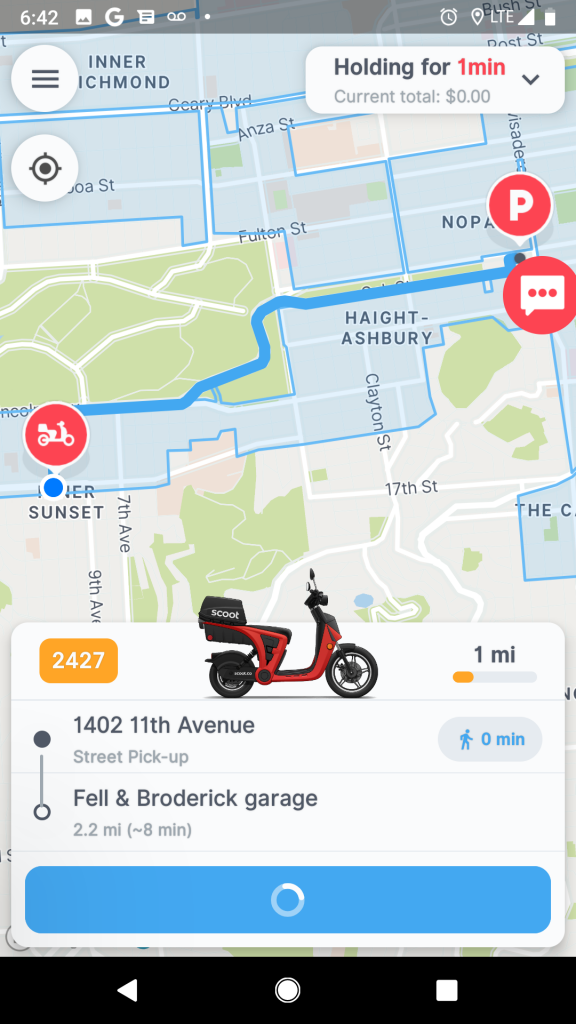
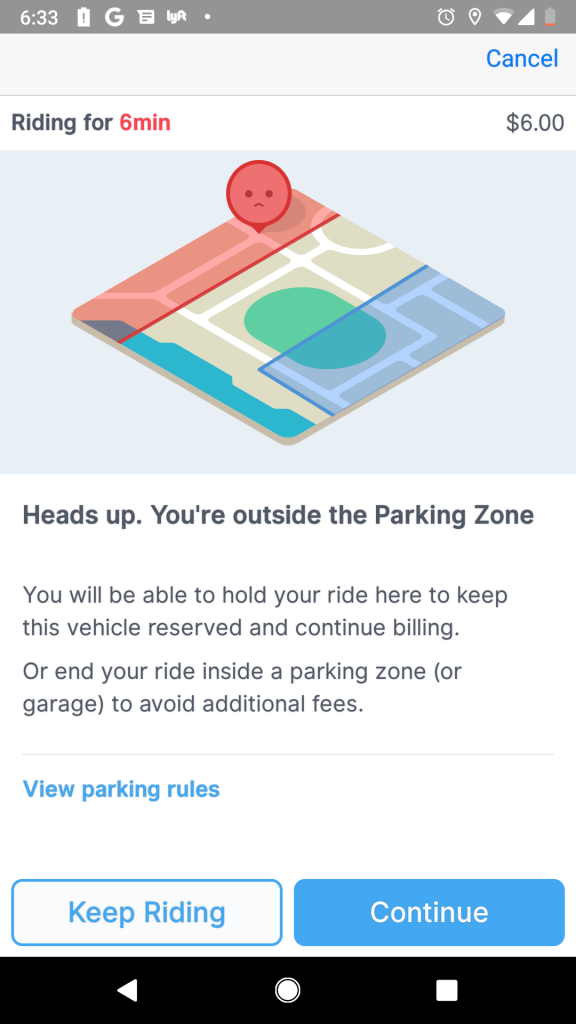
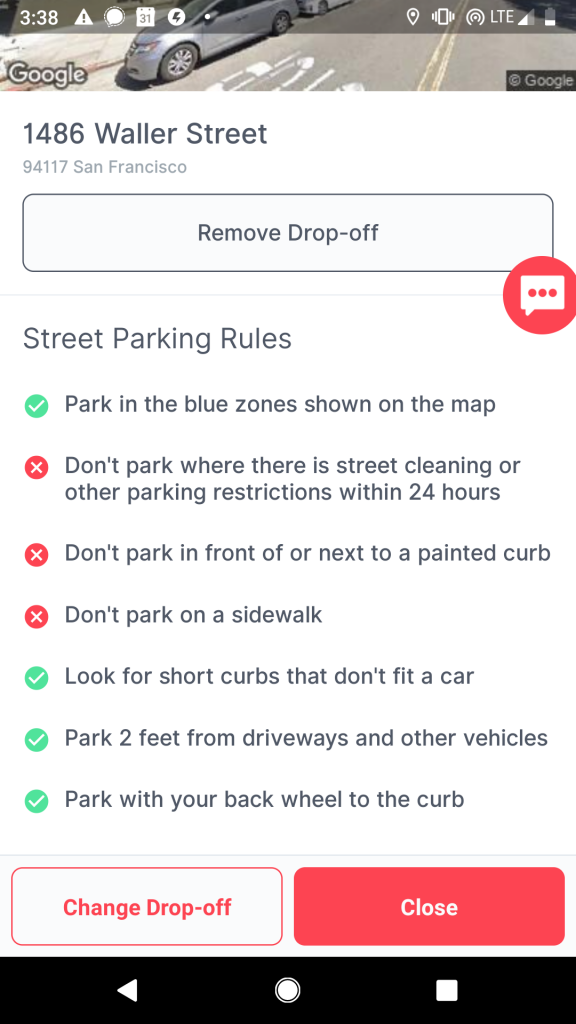
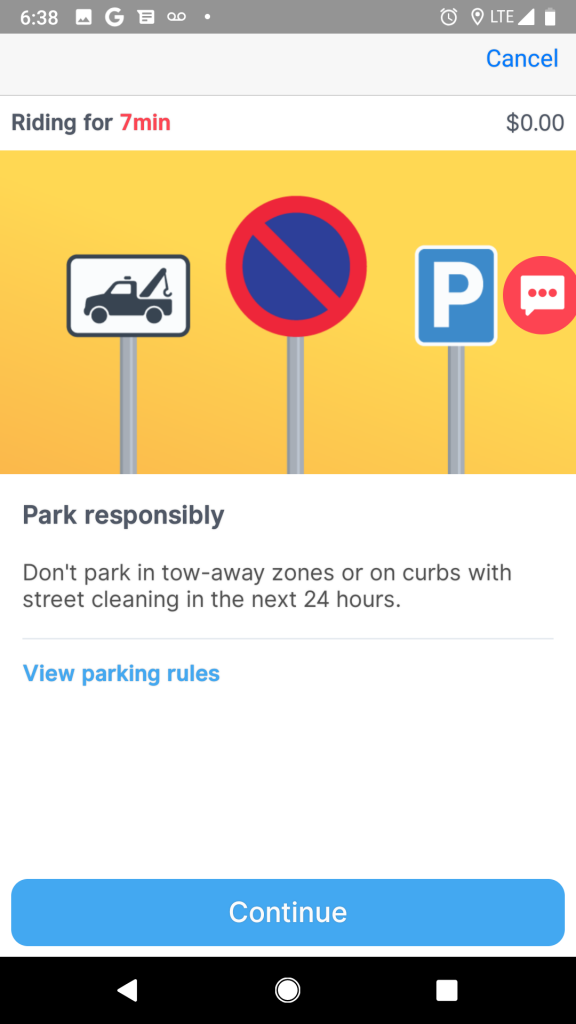
as the senior customer experience at scoot networks, i had a permaculturist’s sit spot to learn the workings of a successful business operating in mobile tech and sustainable transportation. my user research identified a massive opportunity to reduce traffic citation liabilities for customers (a significant customer retention issue) and developed strategies to make parking regulations (and scoot parking guidelines) more transparent through the app’s user interface – designing to educate the customer and reduce confusion and real-world friction and frustration in a complex system.
user interface design challenges identified include: 1) improvement of visual cues to notify rider of a low-battery vehicle and create an incentive to return the vehicle to the garage; 2) display garage capacity with no button presses to decrease user friction; 3) disallow user to select a garage that is outside of the selected vehicle’s battery range; 4) increase app friction to warn user of potential liabilities to parking on the street, with 5) parking rules clearly outlined in-app for new riders and 6) additional friction to notify user that they are parking outside of scoot’s parking area, which was calibrated to decrease liability (internal mapping software not shown); 7) remedy the order and time-delay between when the physical scooter has turned off, when credit card billing has ended, and when the customer is notified of both events.
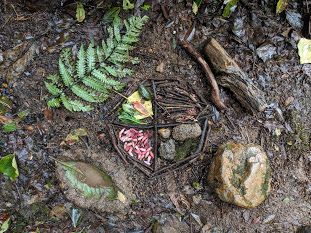
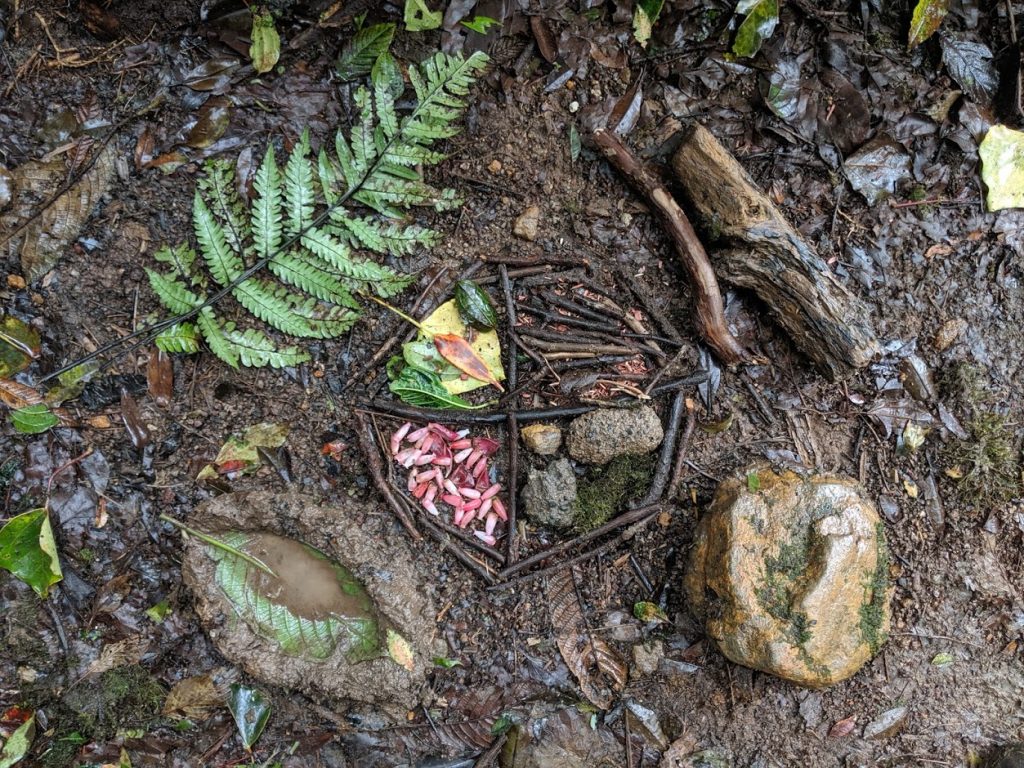
land art installation, costa rica, 2020. beginning of ceremony mandala series
dry leaves representing our sorrows, which demonstrate our caring for the world stone for our fears, and the courage to rise above them wood for our anger, born of our longing for truth and justice an empty vessel for our confusion, our emptiness, which is met by our creativity in these times great truths are emerging, even more powerful than the events which caused us to see, more than specific acts of god, limitations of men
joanna macy, introducing the truth mandala, says: “truth telling is like oxygen, it enlivens us. without it we grow confused and numb. it is also a homecoming, bringing us back to powerful connection and basic authority.”
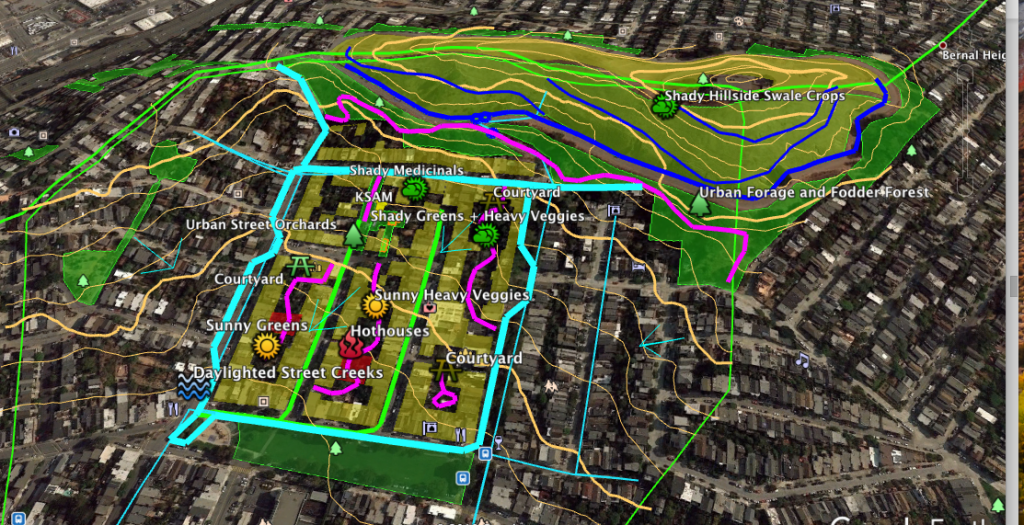
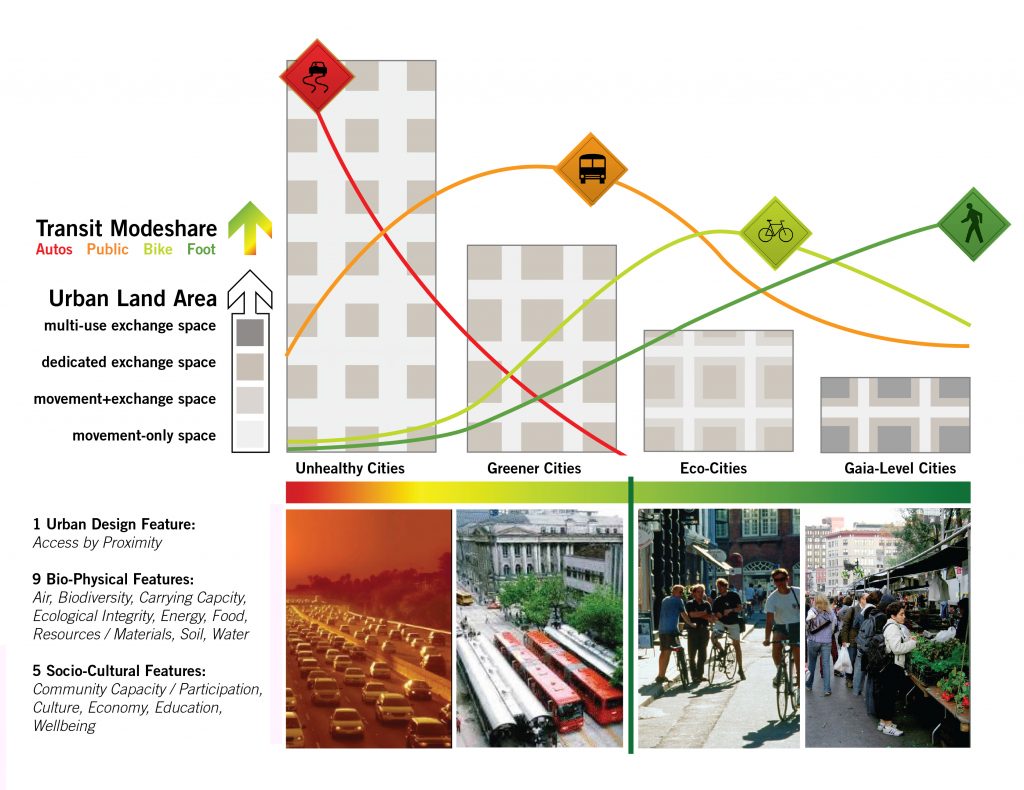
urban permaculture research and design proposal, google earth, 2019
The City of San Francisco produces a fraction of one percent of its food, water, and shelter needs from immediately local resources. This is the engineered reality of first-world cities of this sort of density (an average of about 17,000 residents per square mile). San Francisco as a metropolitan area is divorced from its productive hinterland by its suburbs, but also by its geographic features – bays, mountains, and the ocean. It’s closest major agricultural region is the Sonoma area – 40 miles away. The 8+ million person metro area extends and sprawls 60-70 miles in some directions, and there is not enough flat and arable land within 100 miles to produce 100% of the food for our population using conventional methods.
In addition, the water supply for the vast majority of the Bay Area comes from reservoirs and watersheds nearly 150 miles away in the Sierra Nevada. Sufficient rainfall comes in an average year over the surface of the populated area in order to quench the thirst of all urban water needs, yet there is nearly zero man-made infrastructure in place to capture and purify such a vast water supply.
This support structure has worked for the last one hundred years, but it will be challenged within the next hundred. Climate change promises to be relatively gentle to the California coast – but our inland areas, upon which we depend for agriculture, will change drastically. Bakersfield may become more like Phoenix, AZ (too hot and arid for agriculture) and our further south deserts uninhabitable. Southern California may find it more challenging to have an export agriculture in the future. In such a context as this, a regional permaculture can serve as a disaster preparedness plan rather than a personal self-sufficiency plan.
San Francisco is blessed to have ⅙ of its landmass devoted to public green space, and another ⅙ divided into private yards. In our Bernal Heights neighborhood – a typical low-density residential neighborhood – we have about 3 acres of private space for 400 residents. I estimate that we could grow up to 10-12% of our food needs on such land if it were intensely cultivated, or roughly a third of our vegetable and fruit diet. I began this report hoping for 50% (a rich vegetable diet) but it simply is not possible given the current land available. This number could grow to half our vegetable and fruit diet if we also turned some (but not all) of the public lands for production.
the north bernal urban ecovillage plan is a theoretical ten-year plan that defines steps towards creating a resilient neighborhood. This would be the nature of the shift in our urban fabric which would produce such an efficiency of food production that could sustain a neighborhood through a disaster which makes its productive hinterland temporarily inaccessible.
brand developed for a permaculture-arts non-profit which I posted sustainable architecture and farming articles to for a few years. brand was acquired by an one earth initiative society in 2022.
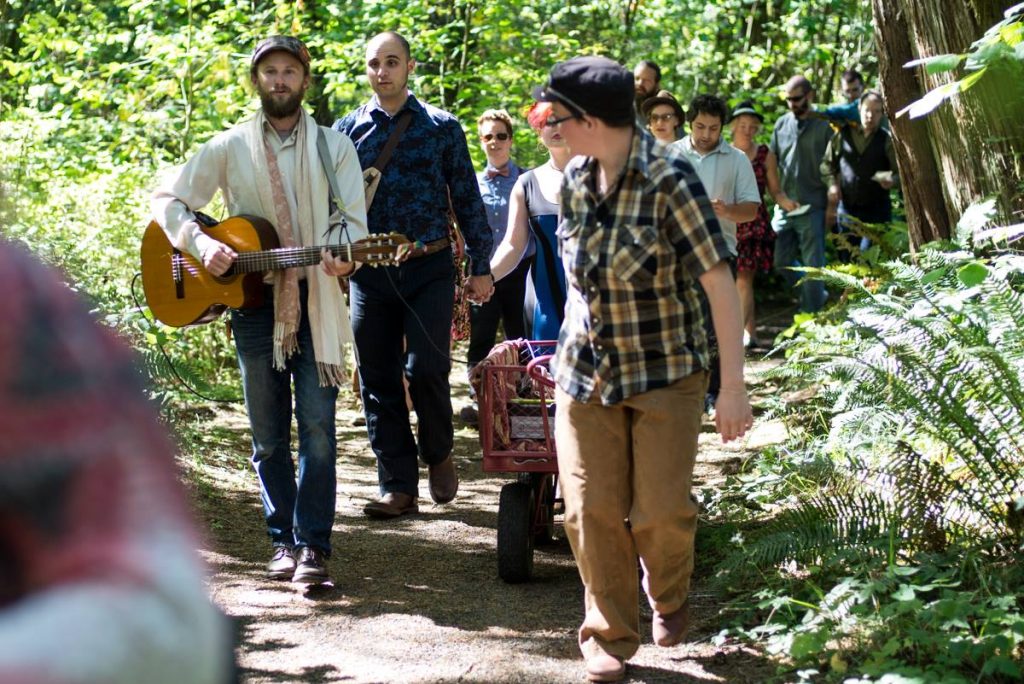
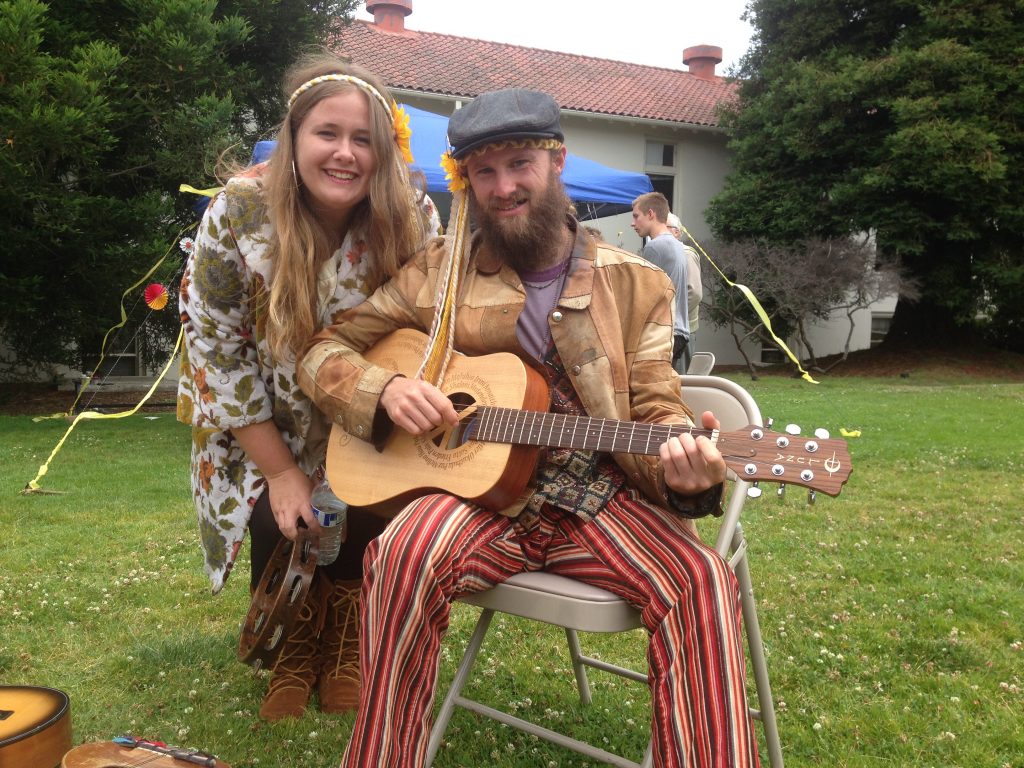
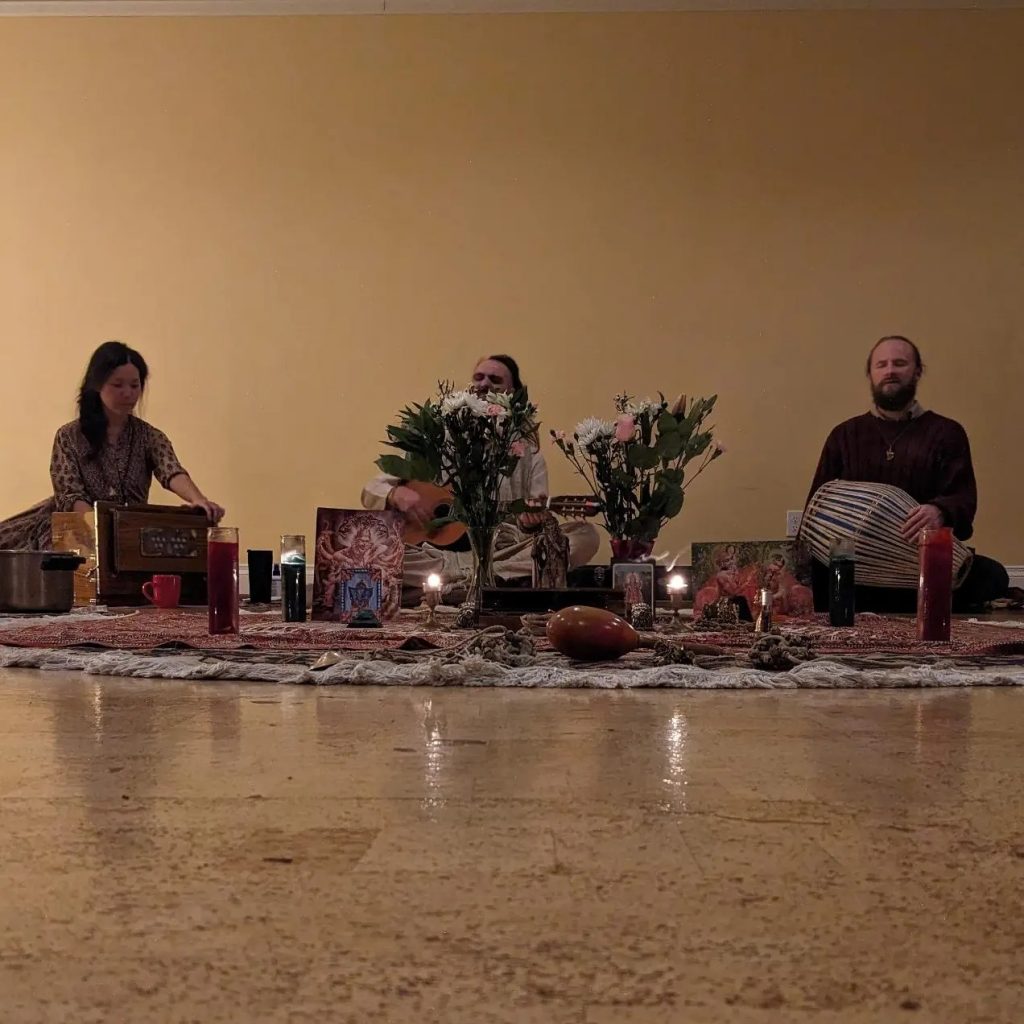
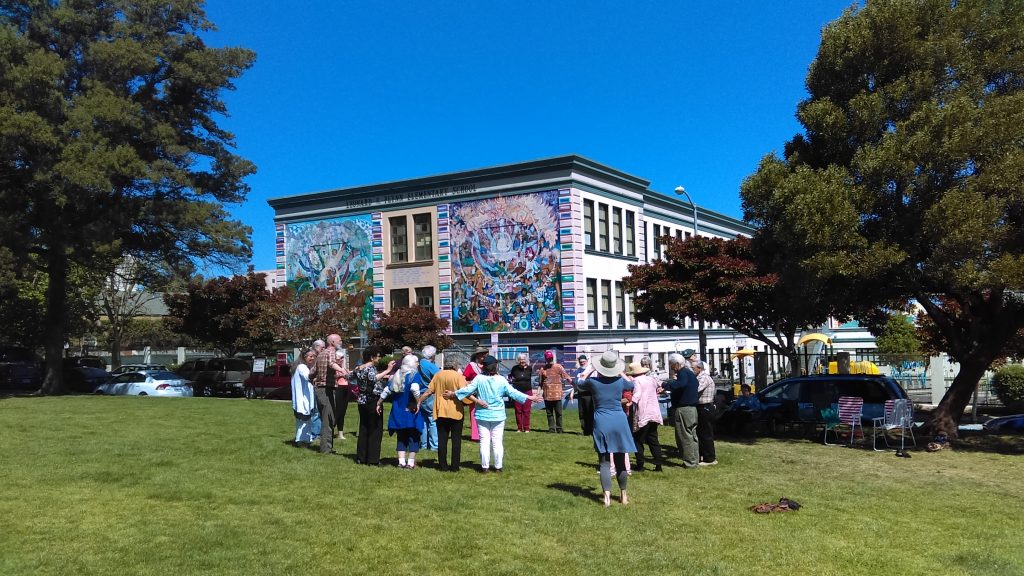
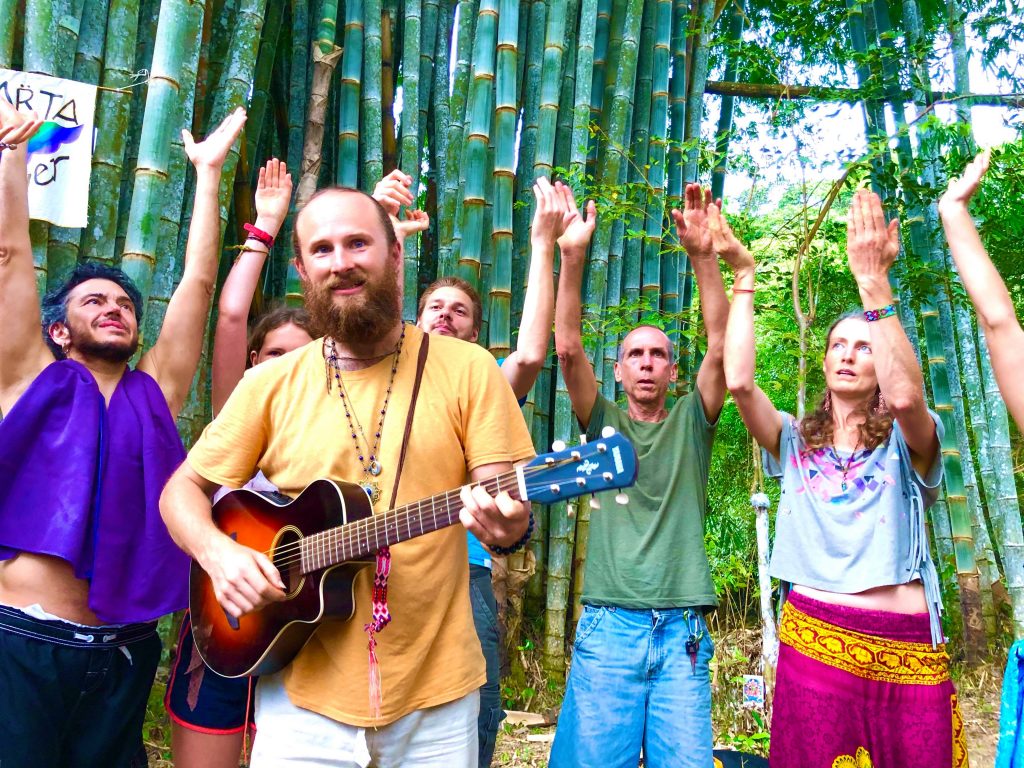
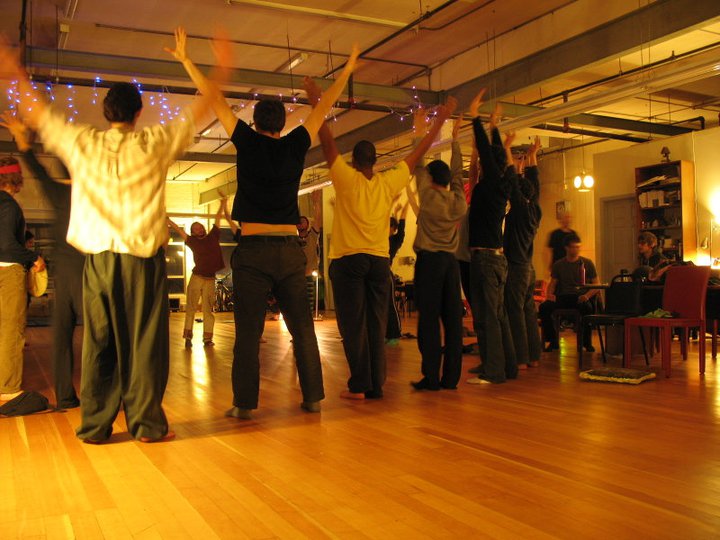
I have been singing in song circles since discovering universal spirituality, ecstatic circle dances and spiritual music within the Unitarian Universalist youth community. having been steeped in circle singing for 25+ years, I started leading song circles in 2015 and find myself as a song carrier and song tender in the emerging circuit of song village gatherings.
2015-2016 Dances of Universal Peace. Canticle Farm, Oakland, CA. 2015-2016 Heartspace Healing Salons. Holistic Underground Collective @ IYI, San Francisco, CA. 2016 6th Annual International Sound Healing Conference. Vocal chorus with Kismet-Mahal Ensemble, musical director, Evelie Delfino Sales Posch. Sausalito, CA. 2018 50th Anniversary of the Dances of Universal Peace, Mentorgarten, San Francisco, CA. 2019-2023 Cantando La Vida, Finca Amrta, San Ysidro de el General, Costa Rica. 2023 – Singing The Soul Alive, Sedona, AZ. Circle Leader, Song-Leading Teacher, and Event Co-Producer 2024 Singing Alive Gathering, old growth canyon, shaw, OR – circle leader
an art-historical and ecological critique of a 2015 article which pinned burning man amongst the most carbon-intensive societies on planet earth when its weekly footprint was extrapolated annually, exploring the implications for our society that there are places that are less efficient than simply going places and burning material
PEOPLE, PLACES, AND THINGS THAT EMIT MORE CARBON POLLUTION THAN BURNING MAN
Wyoming North Dakota Alaska West Virginia Louisiana Qatar Trinidad and Tobago Dubai
Okay, I don’t have any data on Dubai, but I have a hunch.
But what are Wyoming, North Dakota, Alaska, West Virginia, and Louisiana doing, on a regular and continuous basis, that are more wasteful than Burning Man?