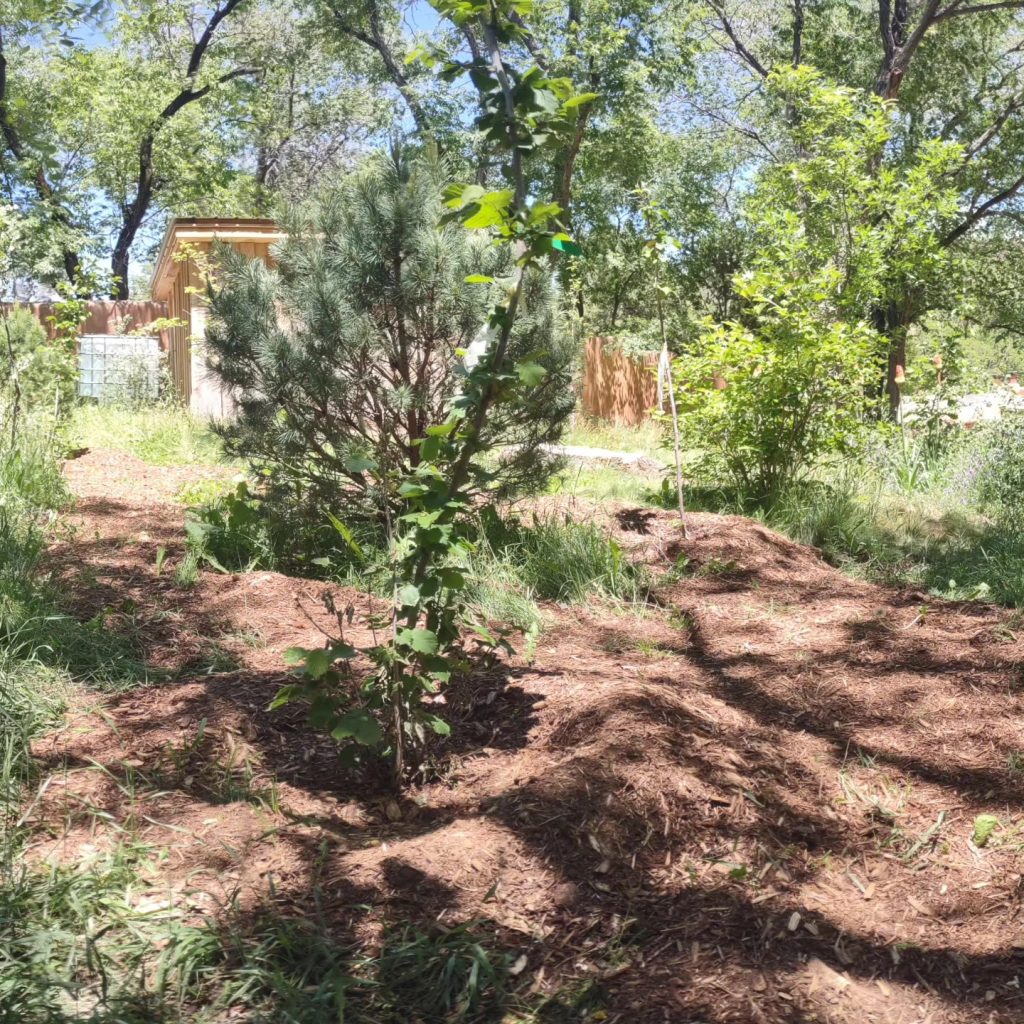
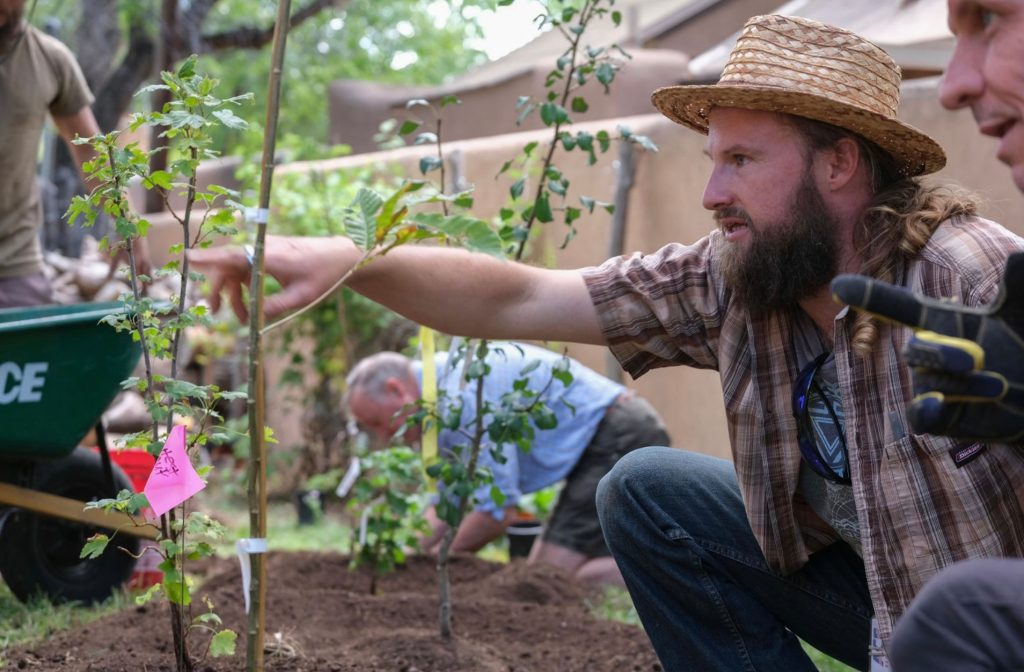
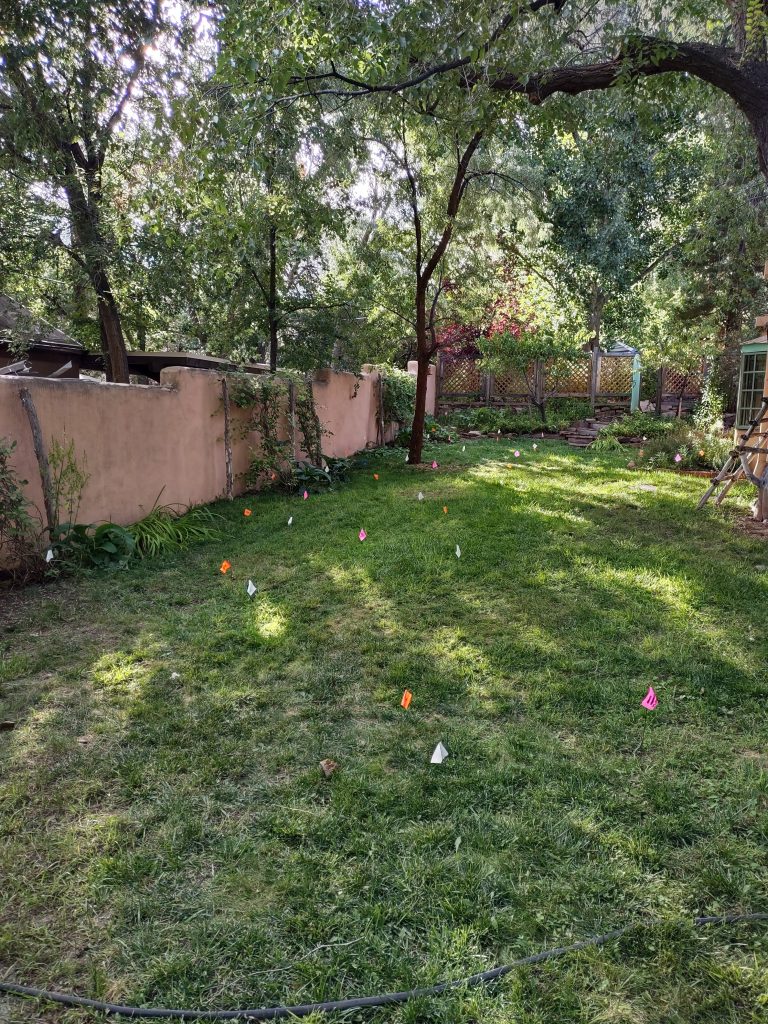
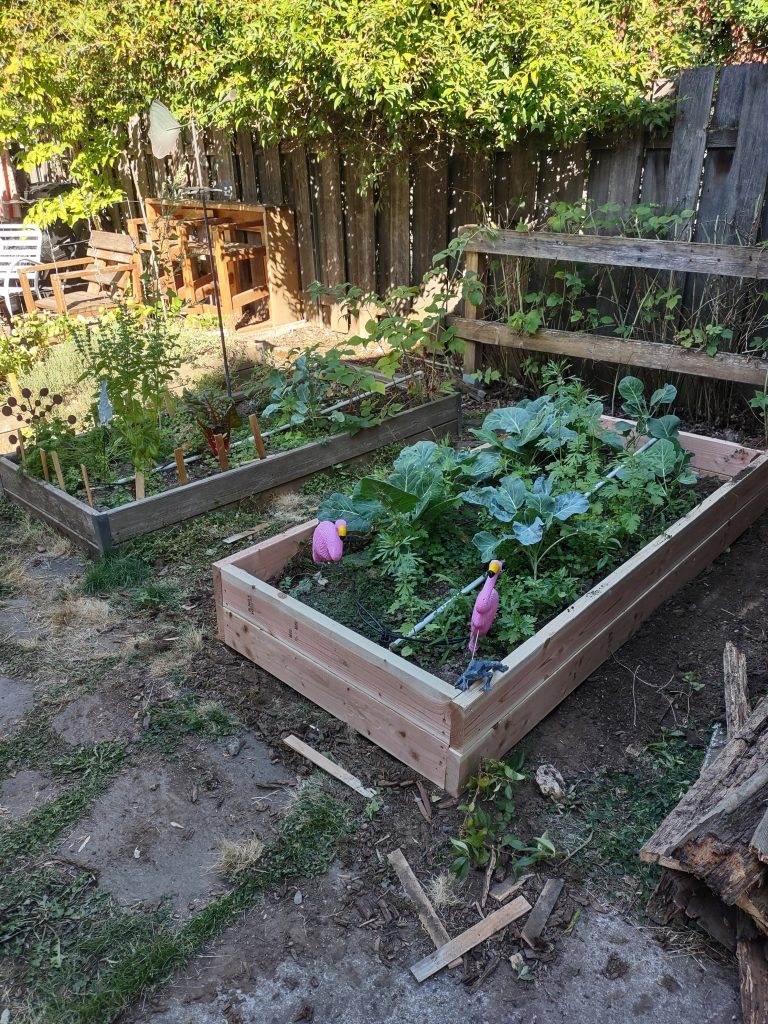
From 2021-2024 I worked with a national permaculture design company creating comprehensive designs and consultation support for clients in varying climates across north america. I supported a remote team of 6-8 designers and led two permablitz events at a private garden in new mexico, managing teams of installers and volunteers and educating on permaculture technique and philosophy.
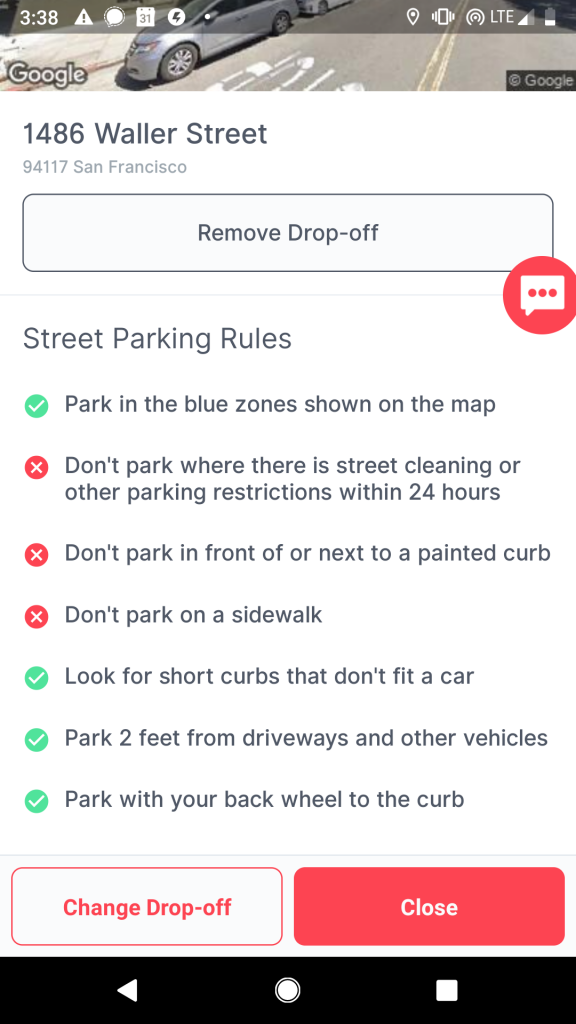
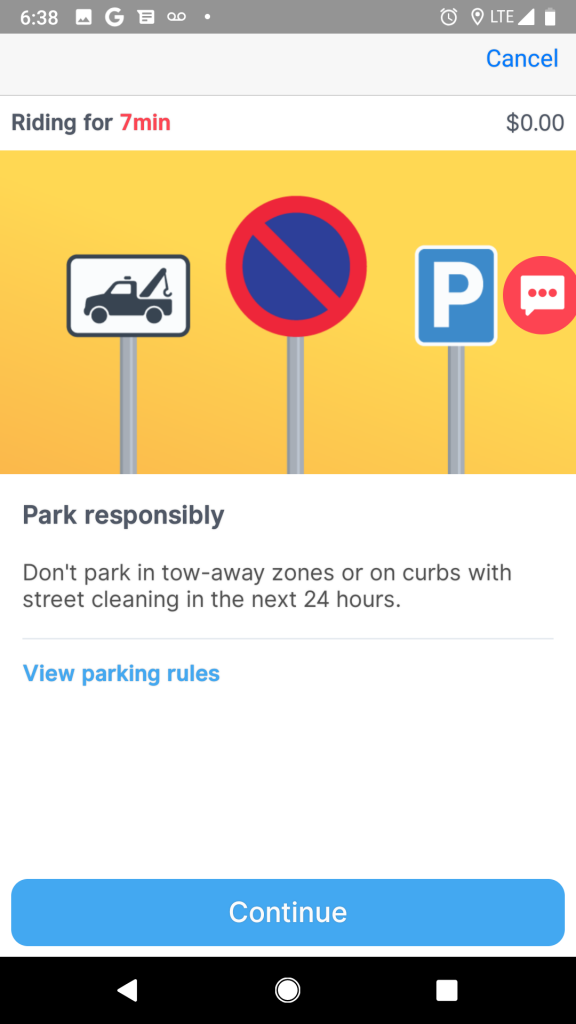
as the senior customer experience at scoot networks, i had a permaculturist’s sit spot to learn the workings of a successful business operating in mobile tech and sustainable transportation. my user research identified a massive opportunity to reduce traffic citation liabilities for customers (a significant customer retention issue) and developed strategies to make parking regulations (and scoot parking guidelines) more transparent through the app’s user interface – designing to educate the customer and reduce confusion and real-world friction and frustration in a complex system.
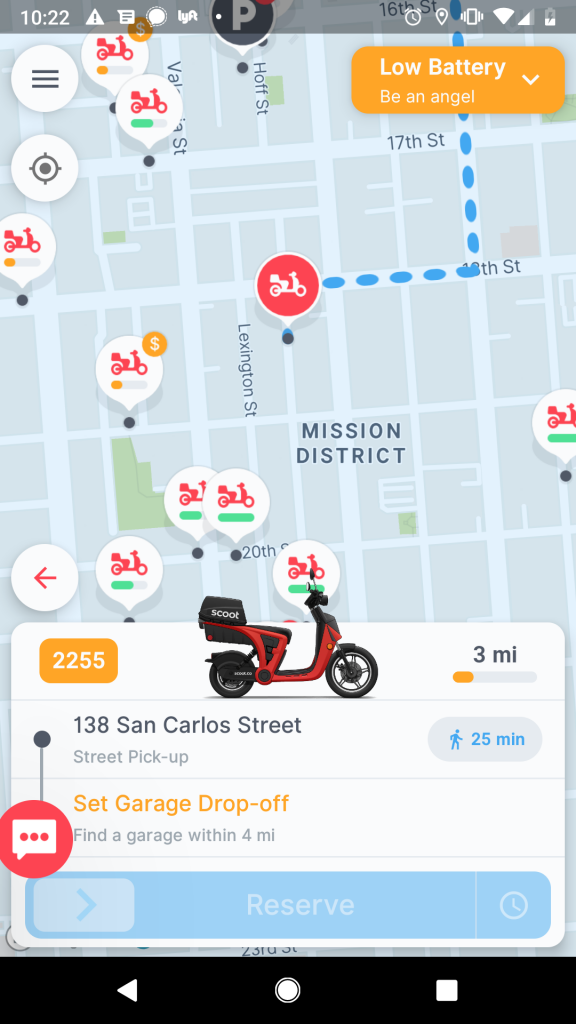
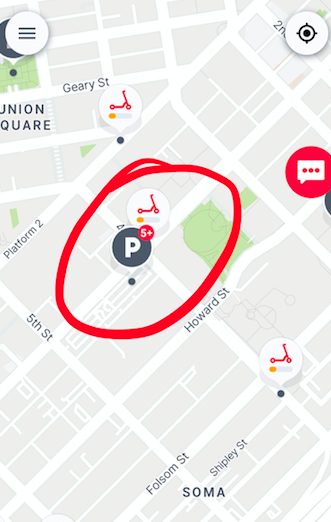
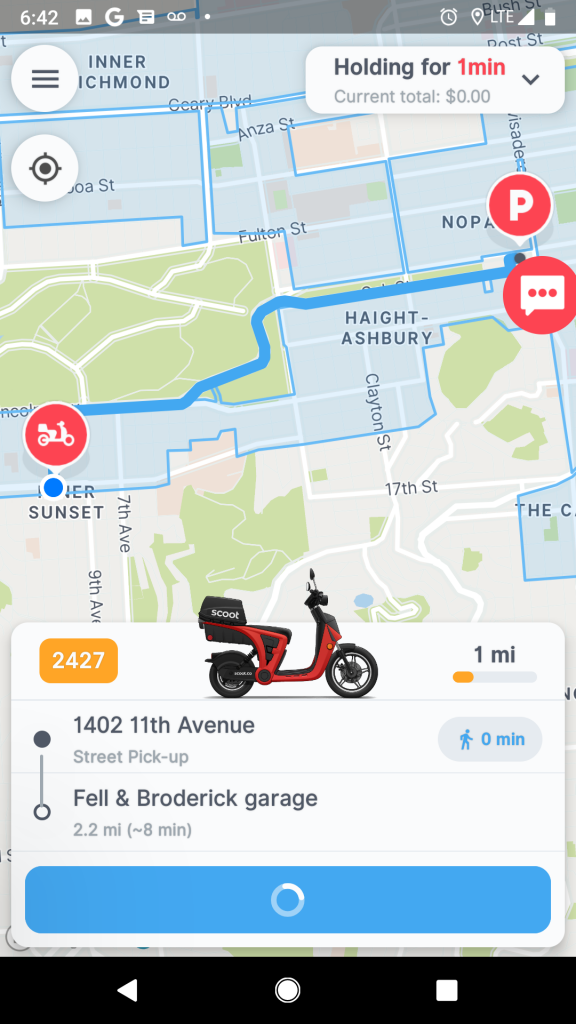
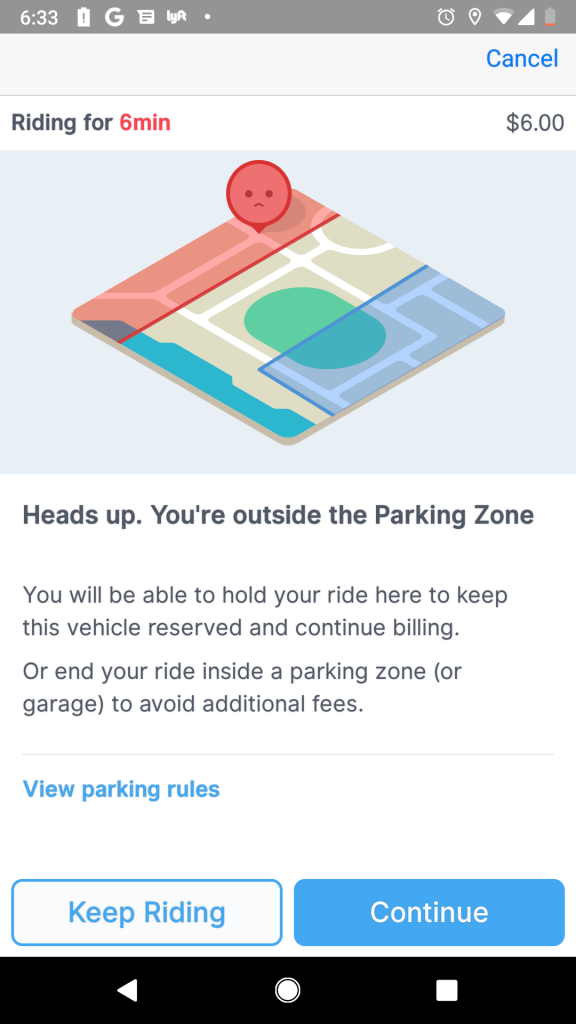
user interface design challenges identified include: 1) improvement of visual cues to notify rider of a low-battery vehicle and create an incentive to return the vehicle to the garage; 2) display garage capacity with no button presses to decrease user friction; 3) disallow user to select a garage that is outside of the selected vehicle’s battery range; 4) increase app friction to warn user of potential liabilities to parking on the street, with 5) parking rules clearly outlined in-app for new riders and 6) additional friction to notify user that they are parking outside of scoot’s parking area, which was calibrated to decrease liability (internal mapping software not shown); 7) remedy the order and time-delay between when the physical scooter has turned off, when credit card billing has ended, and when the customer is notified of both events.
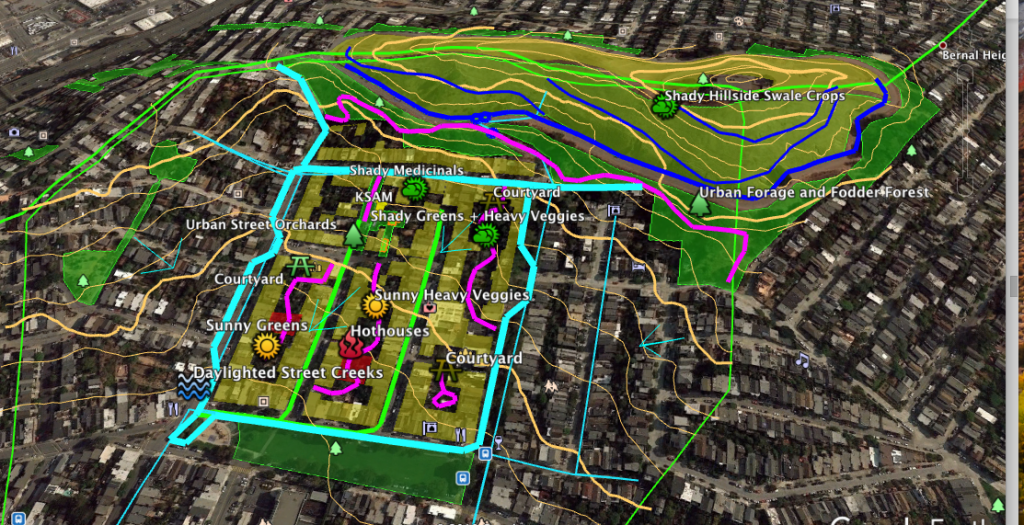
urban permaculture research and design proposal, google earth, 2019
The City of San Francisco produces a fraction of one percent of its food, water, and shelter needs from immediately local resources. This is the engineered reality of first-world cities of this sort of density (an average of about 17,000 residents per square mile). San Francisco as a metropolitan area is divorced from its productive hinterland by its suburbs, but also by its geographic features – bays, mountains, and the ocean. It’s closest major agricultural region is the Sonoma area – 40 miles away. The 8+ million person metro area extends and sprawls 60-70 miles in some directions, and there is not enough flat and arable land within 100 miles to produce 100% of the food for our population using conventional methods.
In addition, the water supply for the vast majority of the Bay Area comes from reservoirs and watersheds nearly 150 miles away in the Sierra Nevada. Sufficient rainfall comes in an average year over the surface of the populated area in order to quench the thirst of all urban water needs, yet there is nearly zero man-made infrastructure in place to capture and purify such a vast water supply.
This support structure has worked for the last one hundred years, but it will be challenged within the next hundred. Climate change promises to be relatively gentle to the California coast – but our inland areas, upon which we depend for agriculture, will change drastically. Bakersfield may become more like Phoenix, AZ (too hot and arid for agriculture) and our further south deserts uninhabitable. Southern California may find it more challenging to have an export agriculture in the future. In such a context as this, a regional permaculture can serve as a disaster preparedness plan rather than a personal self-sufficiency plan.
San Francisco is blessed to have ⅙ of its landmass devoted to public green space, and another ⅙ divided into private yards. In our Bernal Heights neighborhood – a typical low-density residential neighborhood – we have about 3 acres of private space for 400 residents. I estimate that we could grow up to 10-12% of our food needs on such land if it were intensely cultivated, or roughly a third of our vegetable and fruit diet. I began this report hoping for 50% (a rich vegetable diet) but it simply is not possible given the current land available. This number could grow to half our vegetable and fruit diet if we also turned some (but not all) of the public lands for production.
the north bernal urban ecovillage plan is a theoretical ten-year plan that defines steps towards creating a resilient neighborhood. This would be the nature of the shift in our urban fabric which would produce such an efficiency of food production that could sustain a neighborhood through a disaster which makes its productive hinterland temporarily inaccessible.
brand developed for a permaculture-arts non-profit which I posted sustainable architecture and farming articles to for a few years. brand was acquired by an one earth initiative society in 2022.
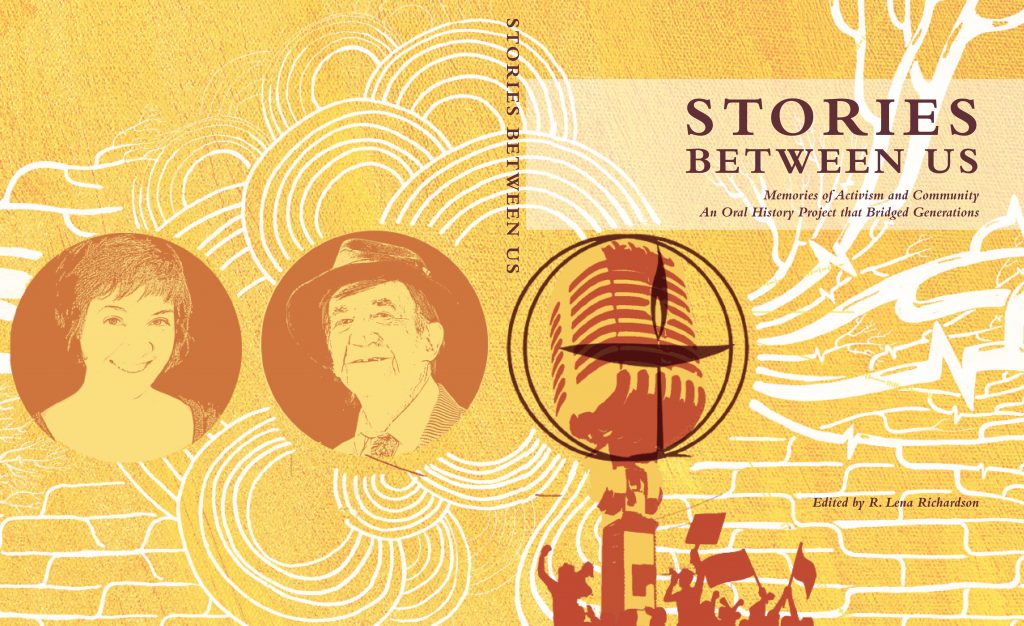
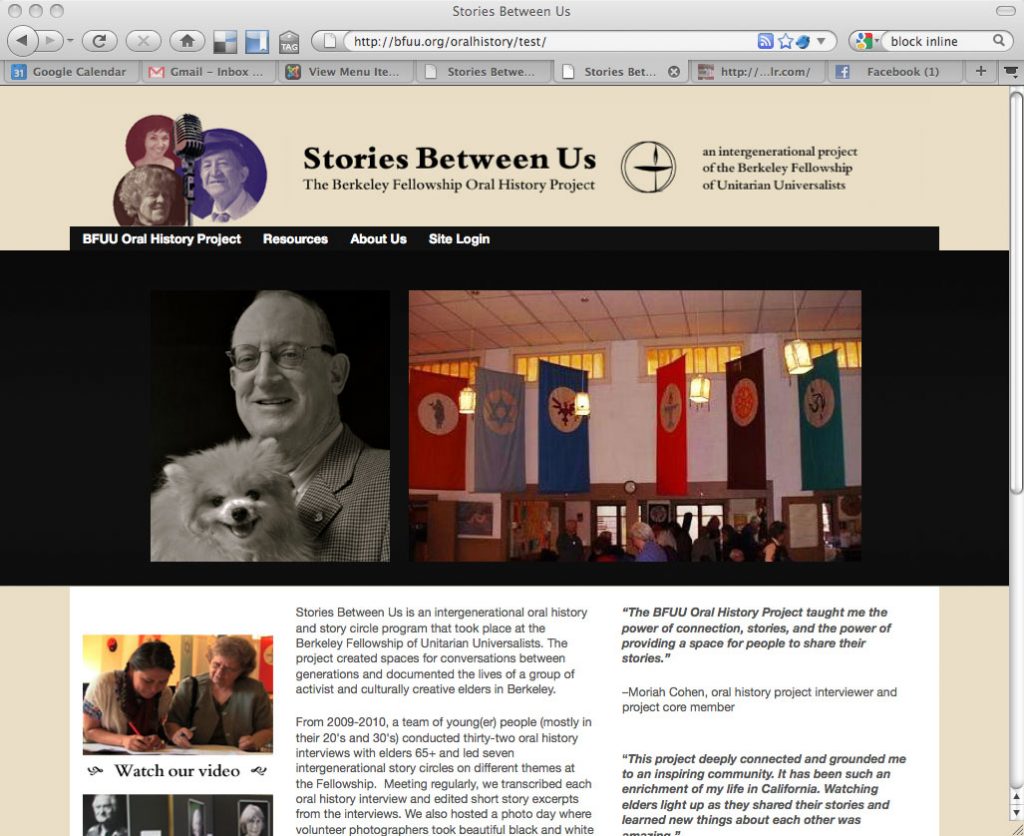
book design and media campaign developed for the berkeley fellowship of unitarian universalists StoryCorps oral history project, which documented the stories of activist elders in the congregation who had played vital roles in the movement-building in the 1960s in berkeley, ca
the illustration of the book was intended to represent both a breaking of institutions as well as a branching tree (like a genealogical tree) representing lineage and connection
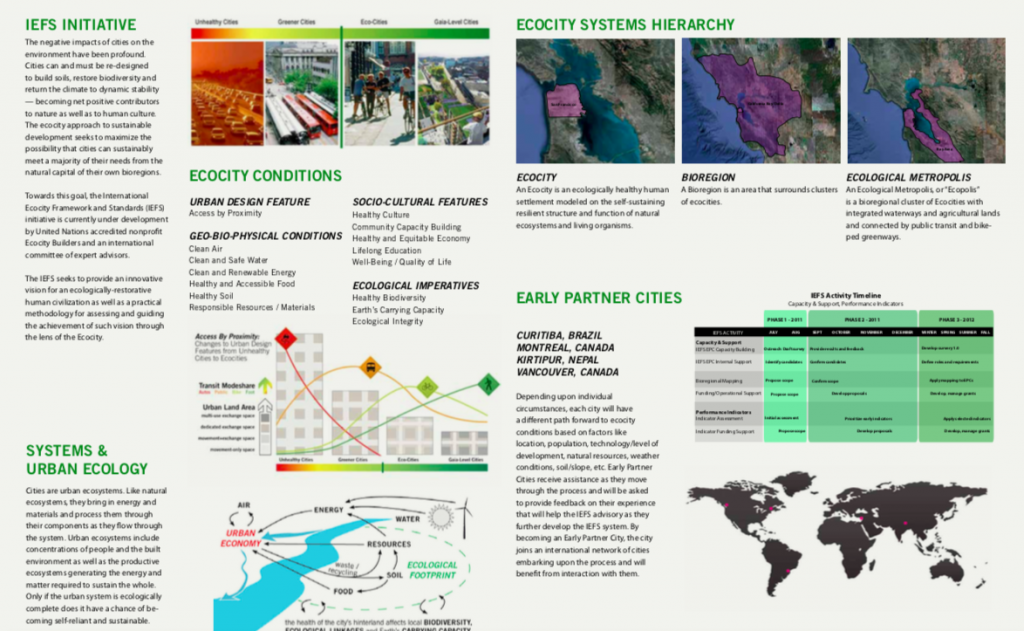
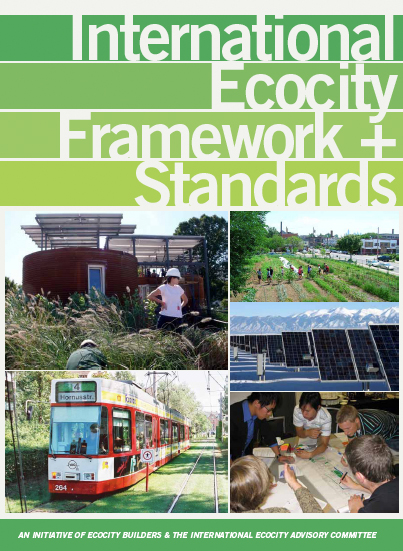
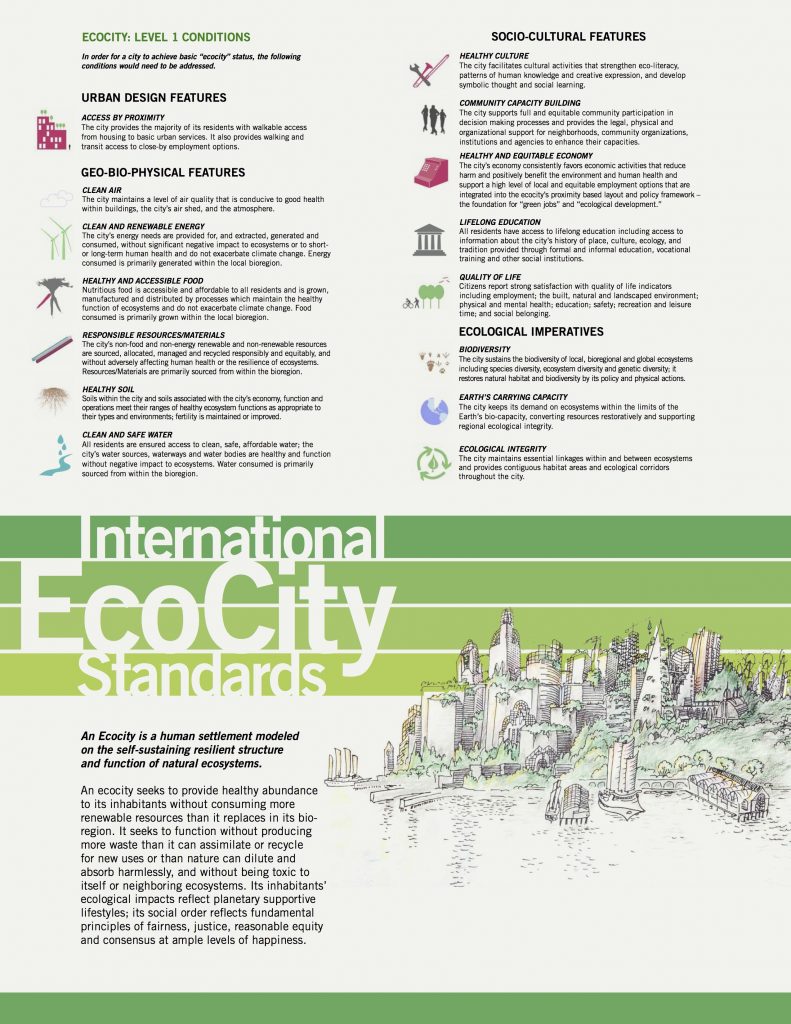
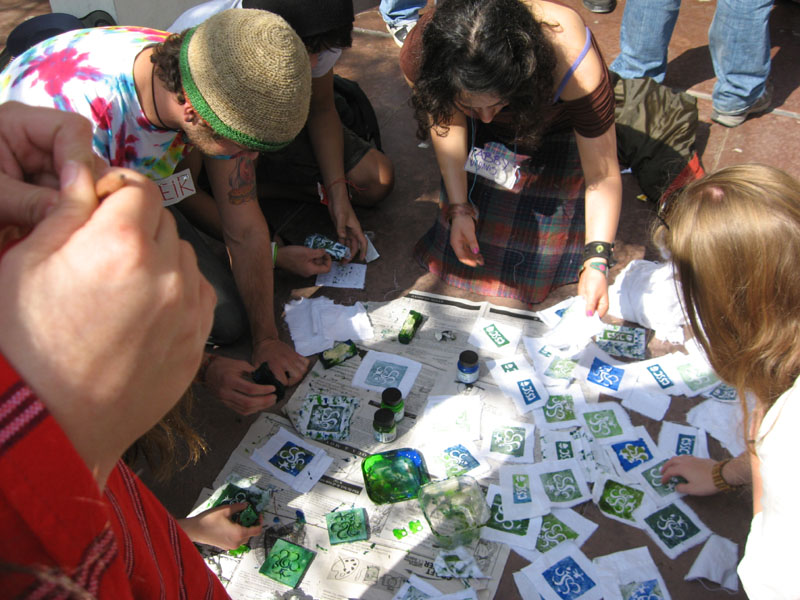
in 2011 i worked with internationally acclaimed organization eco-city builders to develop strategic communications for their ecocity framework and standards project. the posters and infographics that i developed took their urban development criteria into a simple and highly visual form that could communicate interculturally and has been presented at the united nations and to other international audiences
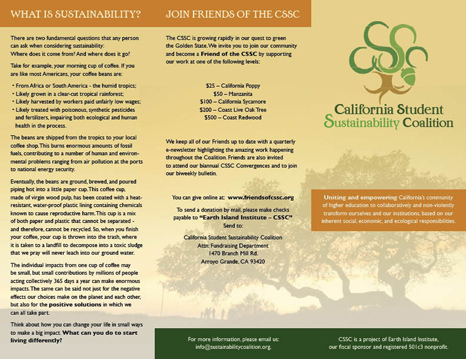
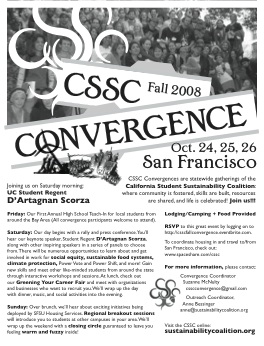
The California Student Sustainability Coalition has been working since 2002 to fundamentally shift the priorities of the California educational institutions towards ecological and social justice. I worked with the CSSC through the local UCLA chapter, E3: Economy, Ecology, Equity from 2005-2008; as a member of the statewide Executive Committee, I was responsible for identity development + print media (flyers, media kits, etc), and also provided critical feedback while developing a new website.
The CSSC logo visually incorporates:
-The oak tree, representing the California biosphere we call our home; -The acorn, the seed of the oak tree, a symbol of regeneration; -The hexagon, one of the strongest and most efficient shapes in nature, the shape of beehives and carbon bonds; -The torus energy structure, reflecting the dynamism and energy that the organization expresses in its work; -The initials of the CSSC, incorporated into the foliage of the oak tree;