proof of concept advertisement for permaculture strategies to solve first mile problems
red victorian haight street revue
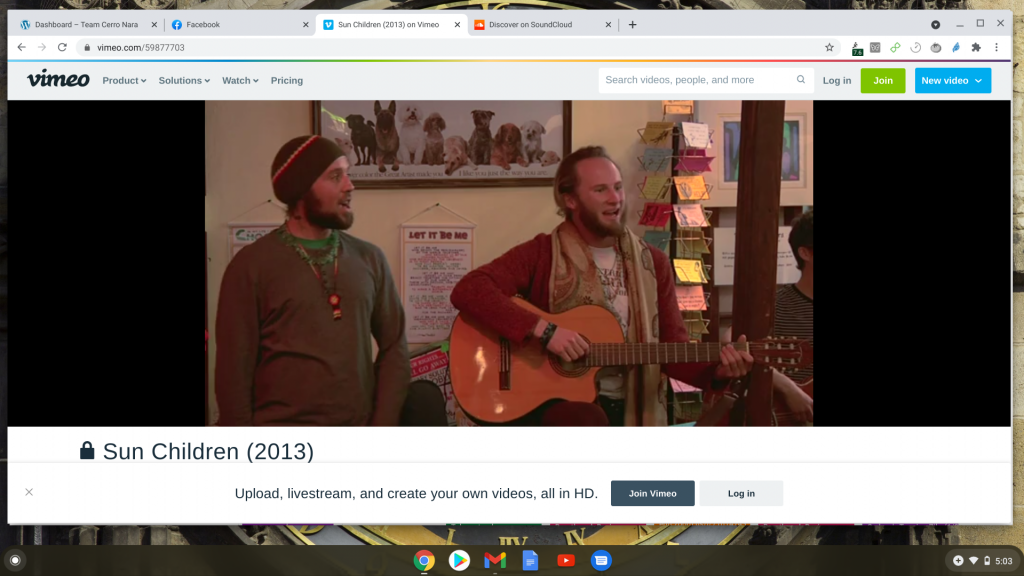
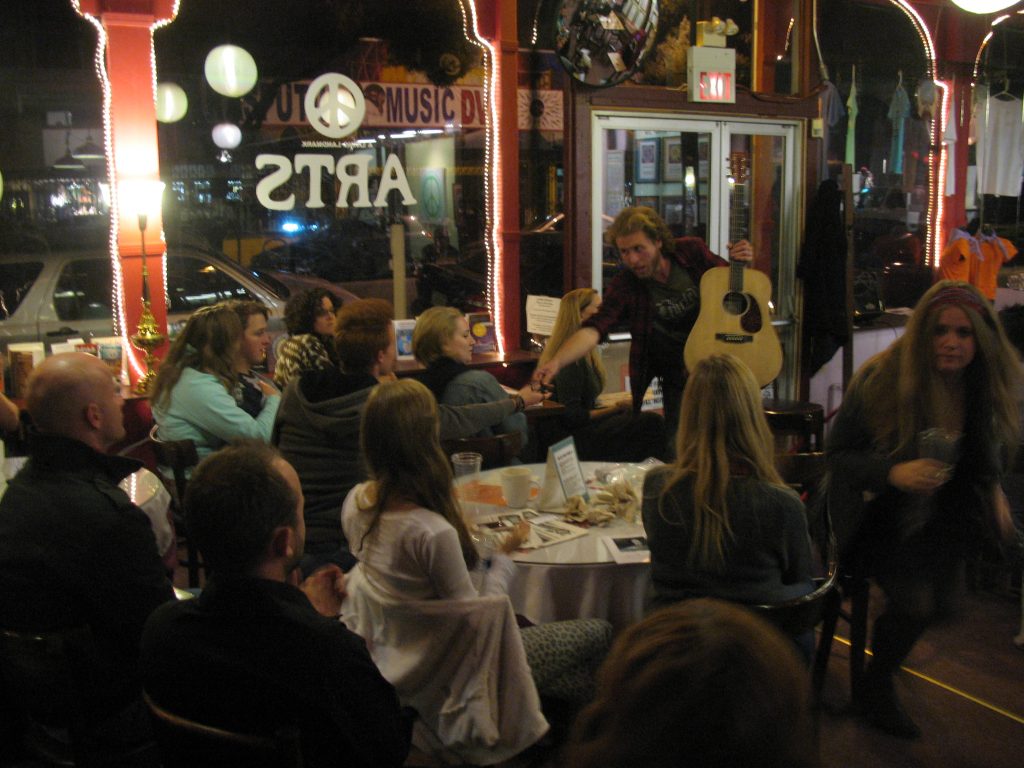
small business product iteration – the haight street review was an idea that we hatched to host an open mic at the red victorian peace arts center bed and breakfast in the winter of 2012. the event gathered local musicians together and was featured in a 2013 student film entitled “sun children“
we are pure light and the childrens foundation ep (2013)

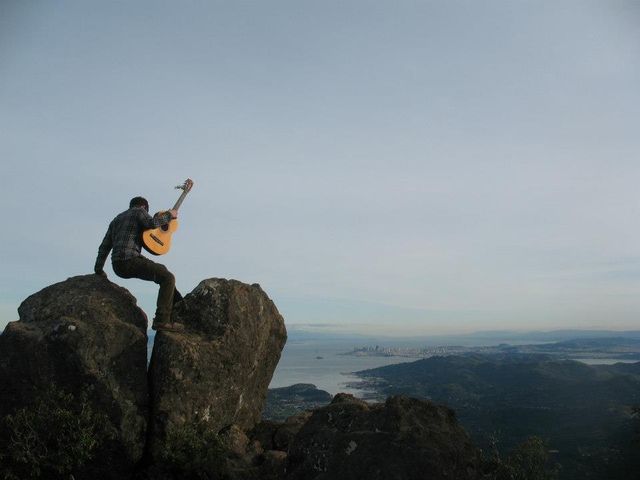

motionless as mountains
standing at the edge of the world
elders in universe time
picture of yourself
songwriting and composition by michael tank
in collaboration with
skylar williamson
marielle earwood
gregory spevak
caitlin crowley
landscapes of possibility (2012)
an anthology of original poetry and photography, lulu press, 2012
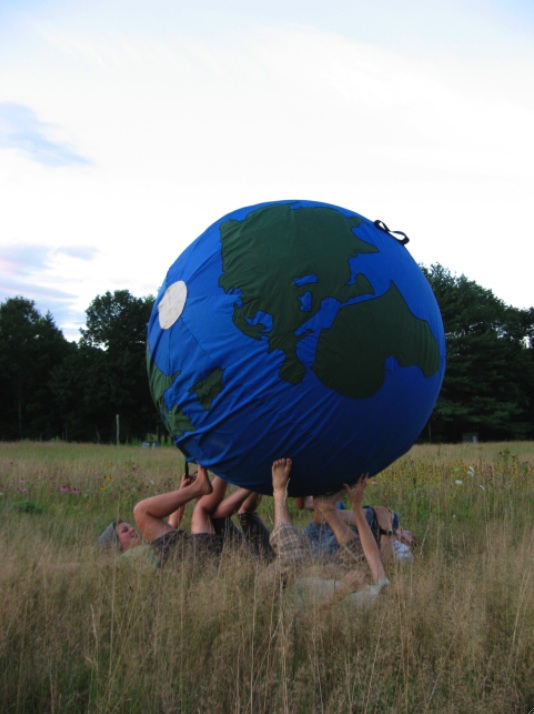
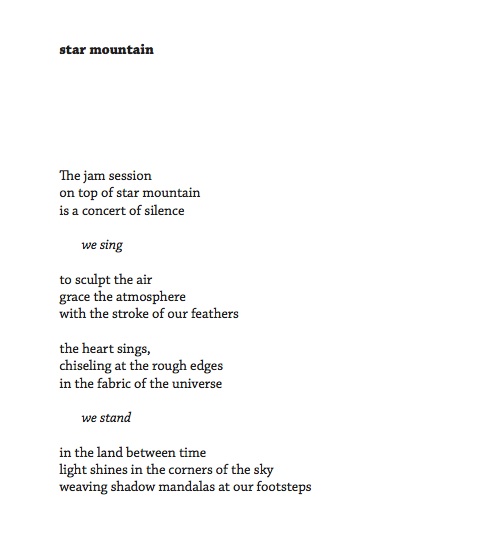
performing “syncopated heartbeats” with members of synergyzine, san francisco, 2012
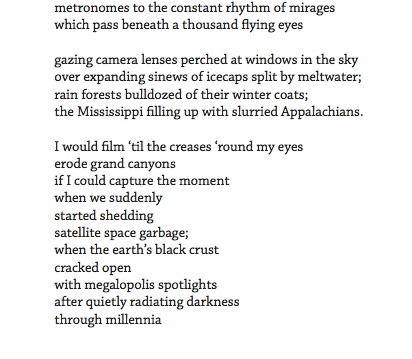

universal self-portraits (2012)
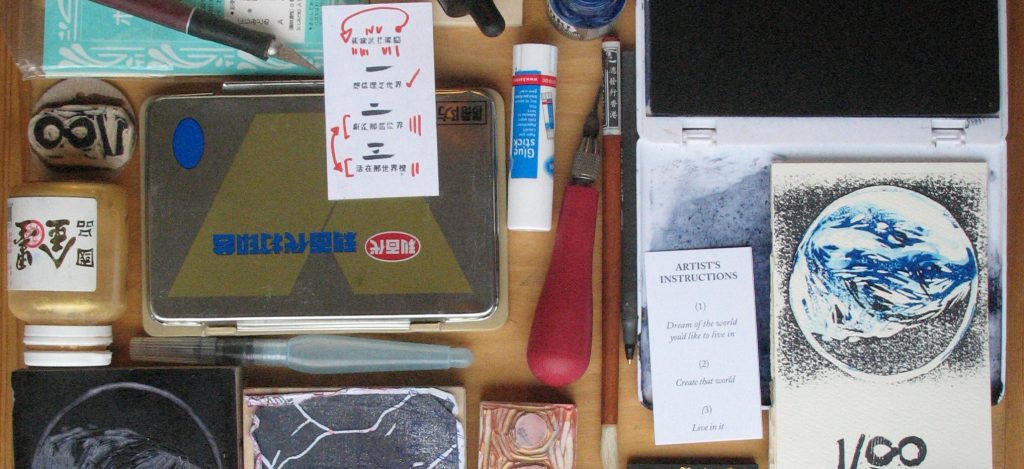
run of 100 unsigned linoleum prints on japanese postcard stock
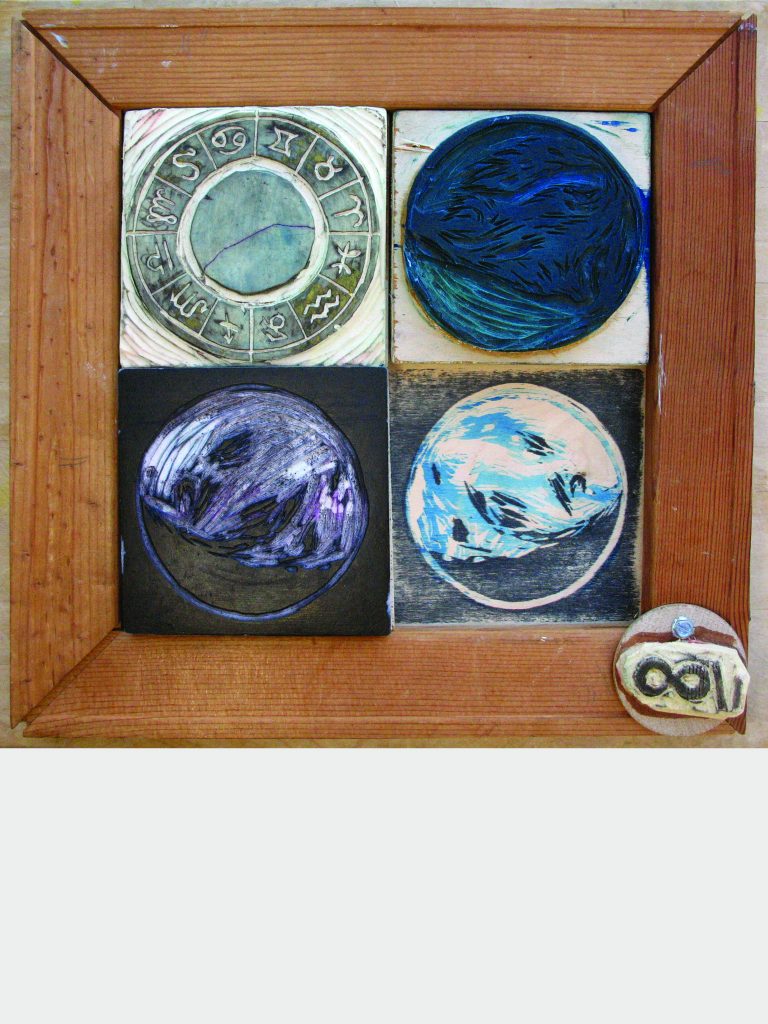
“hey mister, where you from?” –every 8 year old indonesian boy
“saya dari ibu bumi” (i am from mother earth)
“me too”
a series of performance-art prints to depict our common home in reproducible form, the symbol “one of infinite” yearning for both the regeneration of the biosphere as well as in tribute to the smallness of our position in a universe
performed at:
taipei arts village, taipei, taiwan;
tacomepai ecovillage, pai, mae hong son, thailand
love space, ubud, bali
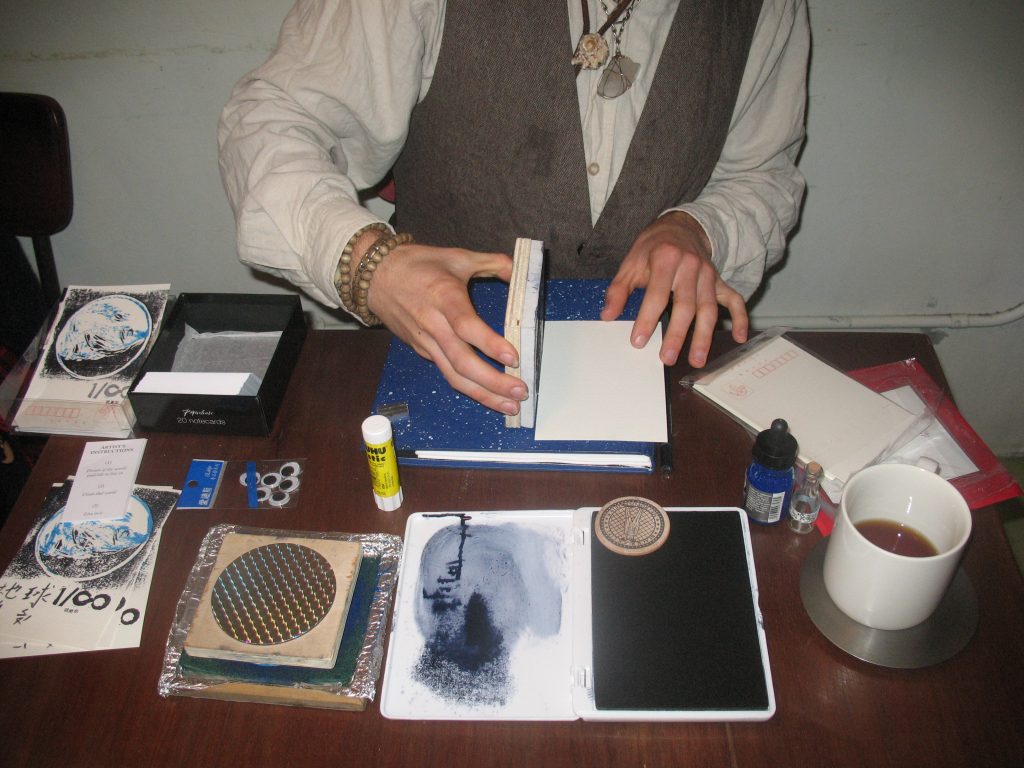
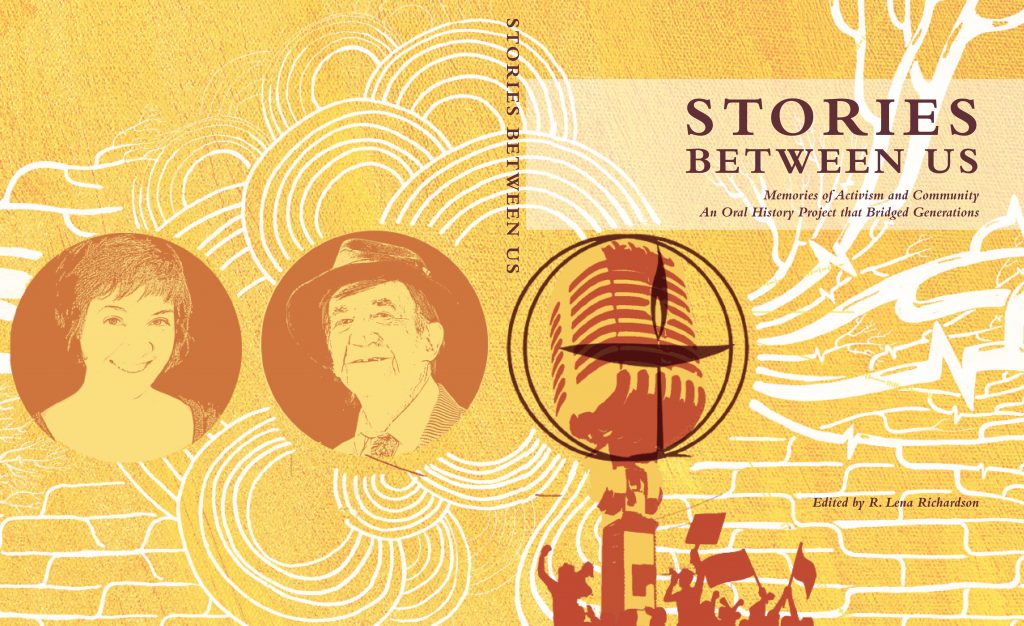
stories between us (2011)
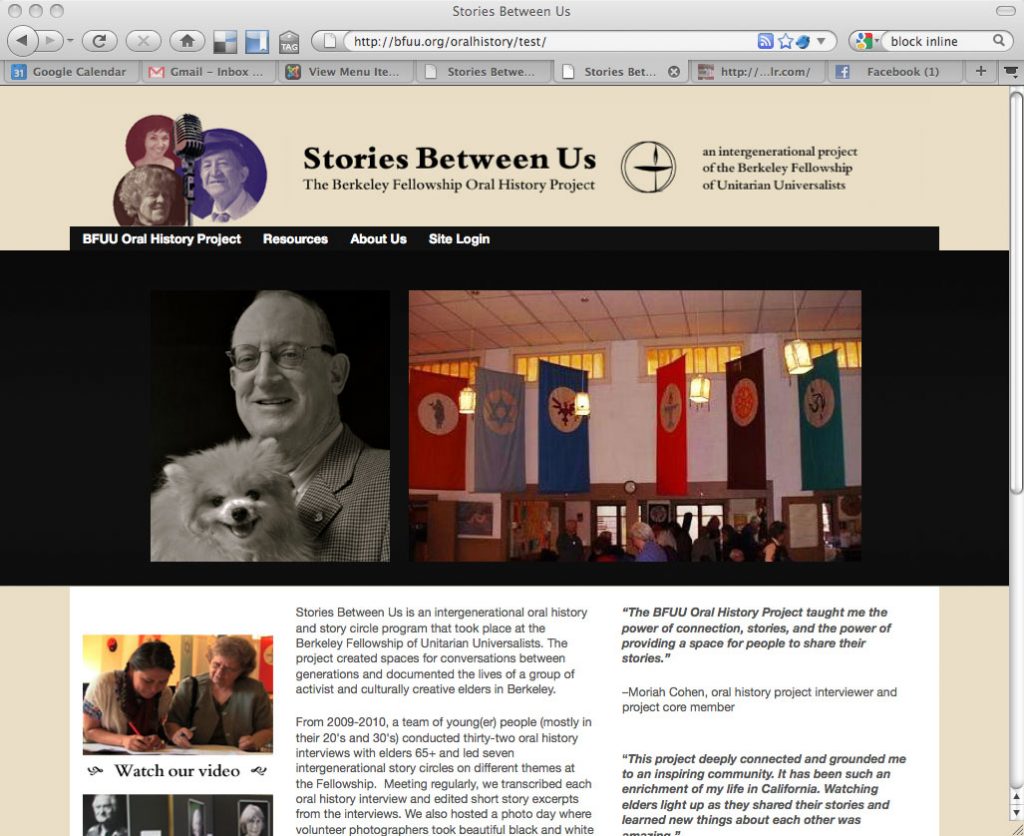
book design and media campaign developed for the berkeley fellowship of unitarian universalists StoryCorps oral history project, which documented the stories of activist elders in the congregation who had played vital roles in the movement-building in the 1960s in berkeley, ca
the illustration of the book was intended to represent both a breaking of institutions as well as a branching tree (like a genealogical tree) representing lineage and connection
international ecocity framework + standards (2011)
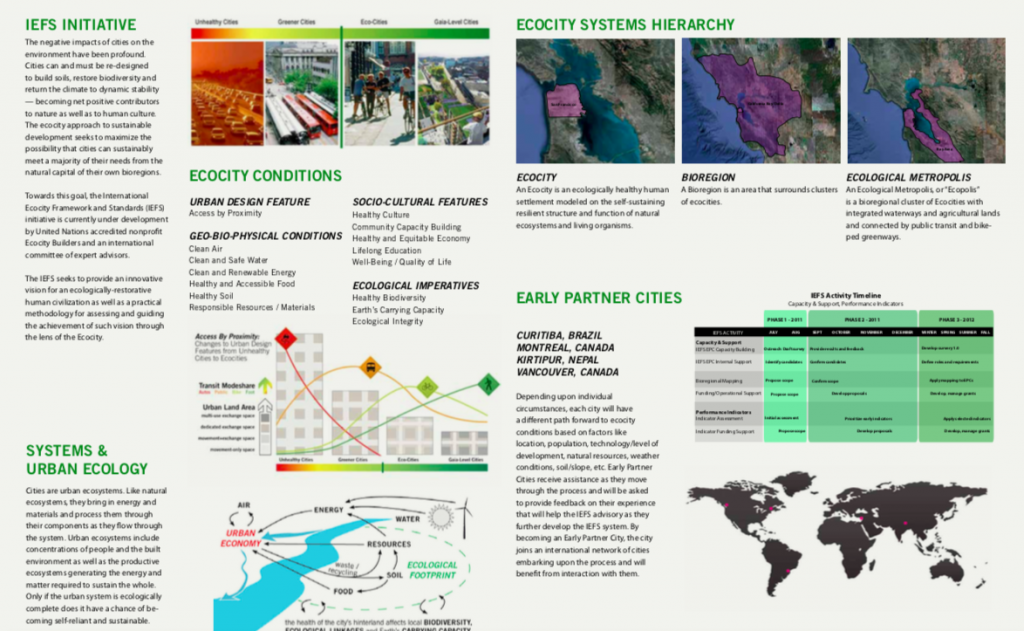
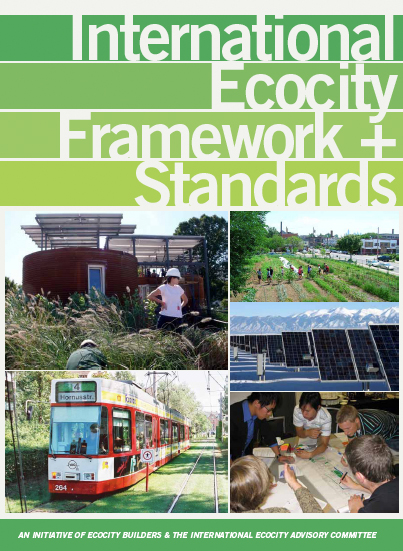
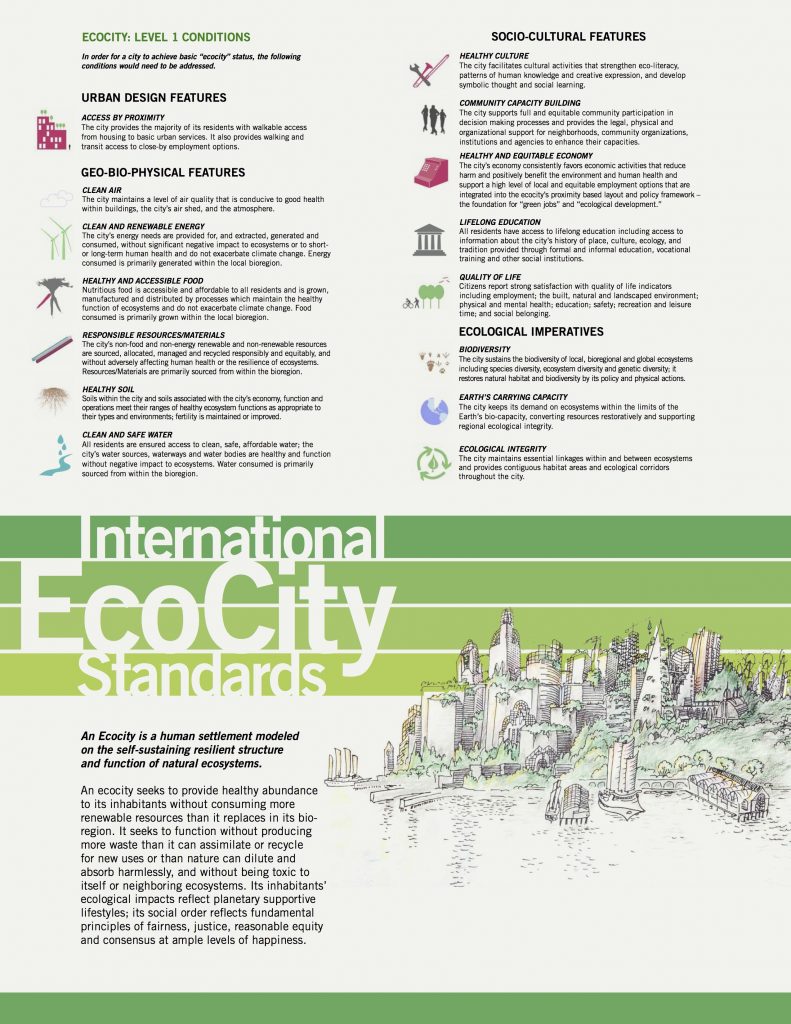
in 2011 i worked with internationally acclaimed organization eco-city builders to develop strategic communications for their ecocity framework and standards project. the posters and infographics that i developed took their urban development criteria into a simple and highly visual form that could communicate interculturally and has been presented at the united nations and to other international audiences
artists instructions (2011)
words by peter sellars
letterpress in english by michael tank, run of 500, anonymous circulation (2010)
chinese translation by marina lin and ji-ling lin (2012), taipei, taiwan
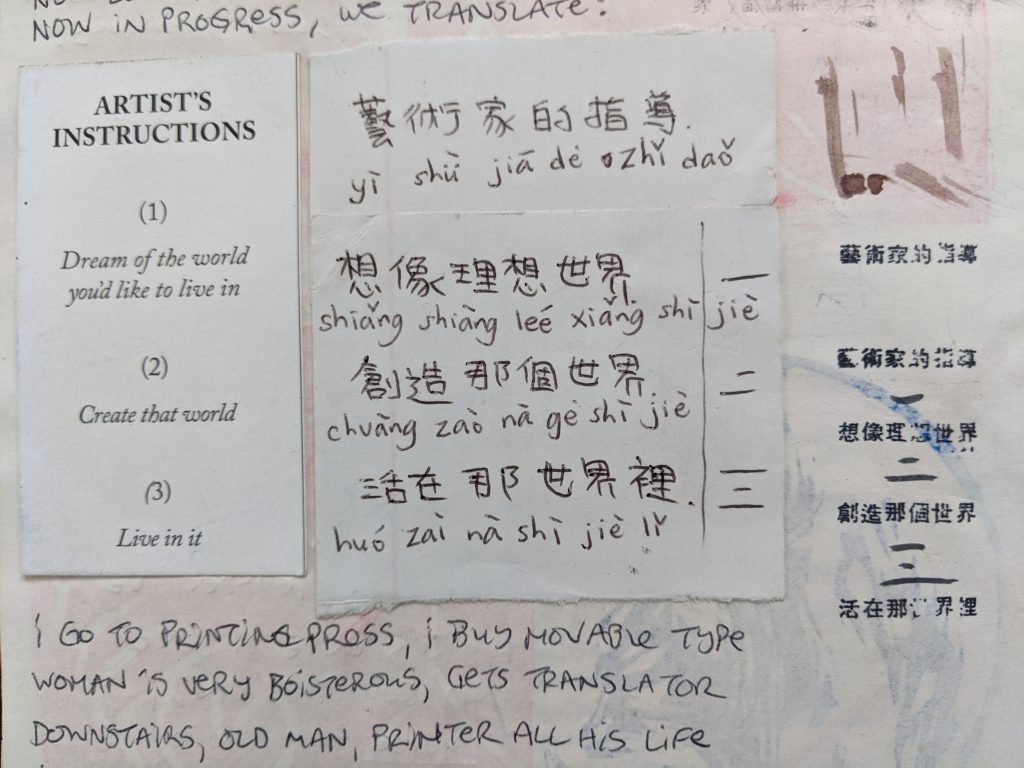
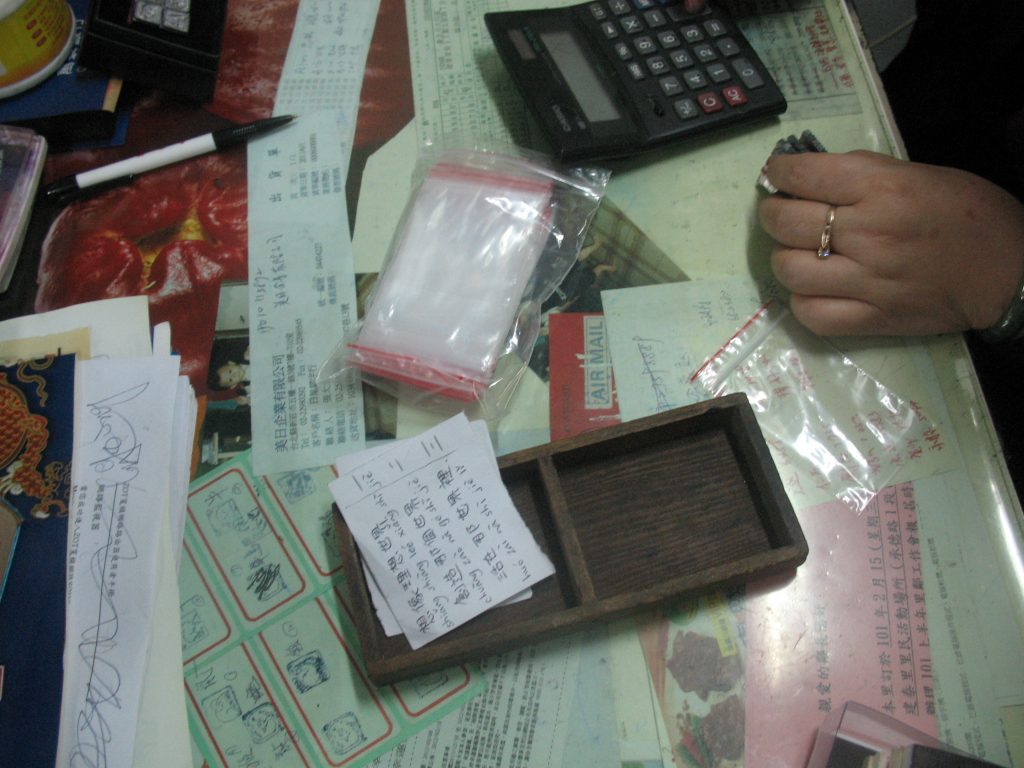
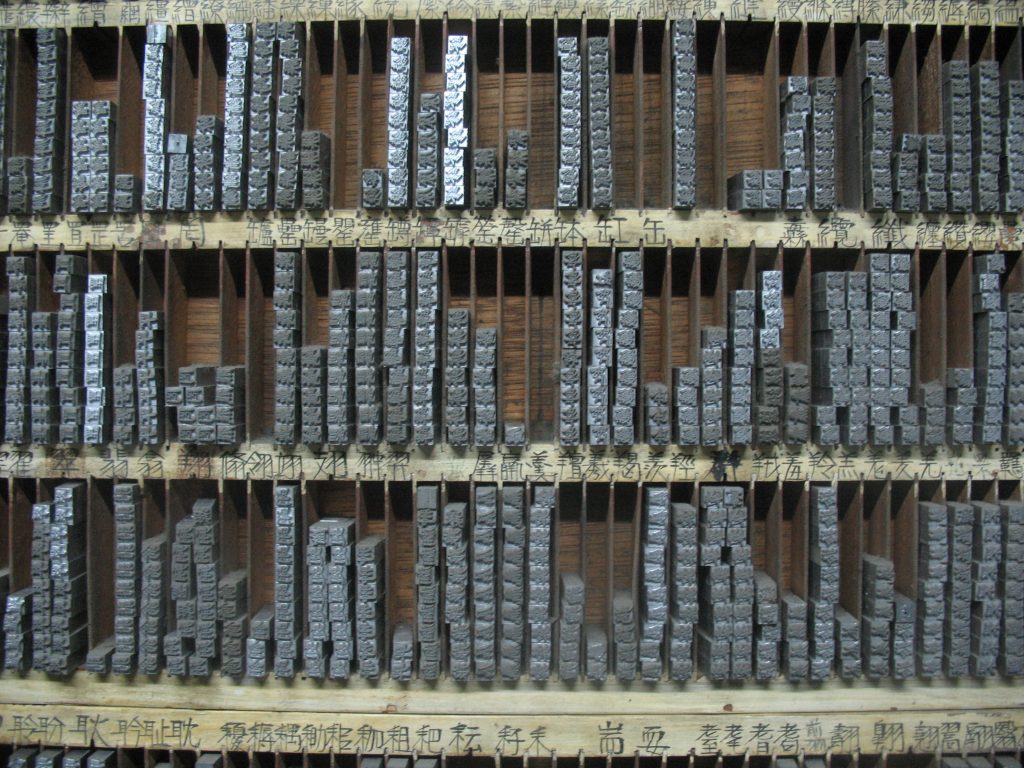
by twist of fate i extended my stay in taiwan one week in the hospitality of travel writer marina lin and photographer / acupuncturist ji-ling lin. after translating the mantra cards i had been distributing, they directed me to visit the movable type foundry (with a hand written note for directions and instructions). soliciting a translator from the street, we convince the very boisterous woman at the counter to allow me to purchase the characters. she summons me downstairs to the basement where the typefounder sits, an old man, a printer all his life. I demonstrate my linoleum stamps and prints of the planet earth (universal self-portrait)
“beautiful” he says, standing, and bowing deeply to me in the way of respect
ARTISTS INSTRUCTIONS
1. Dream of the world you’d love to live in
2. Create that world
3. Live in it
ecology of gratitude (2009)
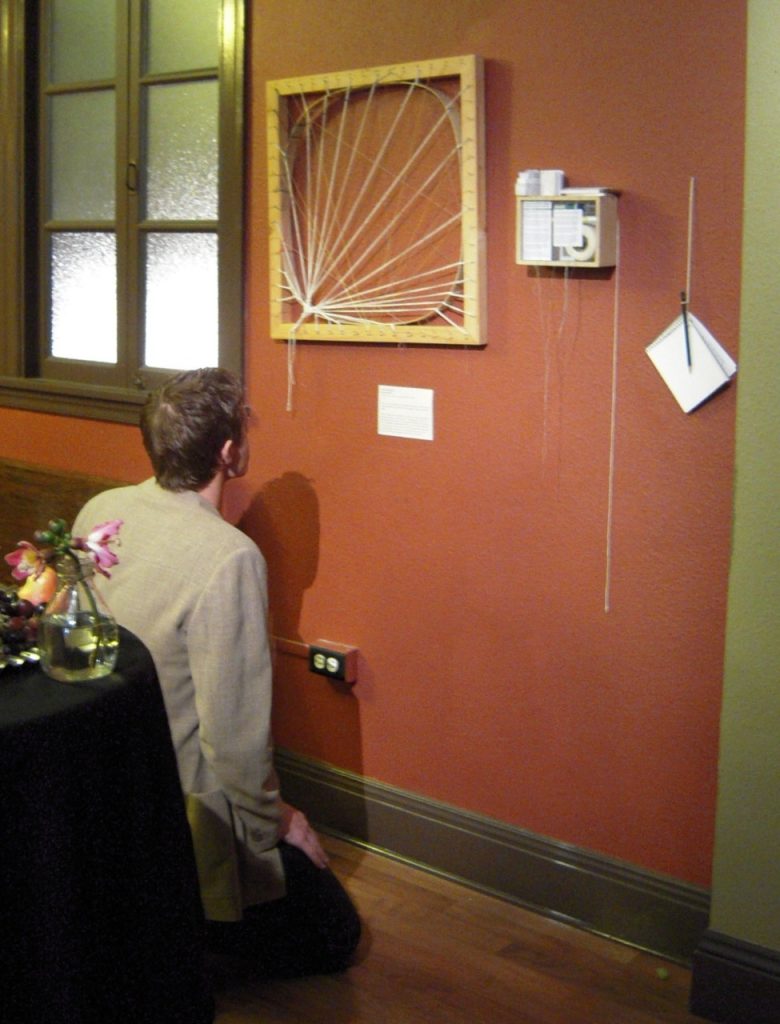
a deck of cards for each individual subject that received a sense of gratitude in a 2008 poem, connected together in visual representation of what each of those subjects would express gratitude for as the cards were drawn at random, creating a web or ecology of gratitude, and filled a journal with poetry based on those explorations. In exhibition, patrons were invited to follow the same meditative process and add their own literary contributions to the piece.
The Ecology of Gratitude was produed for and exhibited in the “Thank You” show at Re:Generation Church, Oakland, CA, 2009, and was gifted to the impermanent collection of Xenia Community House, Davis, CA.
the forgiving tree (2008)
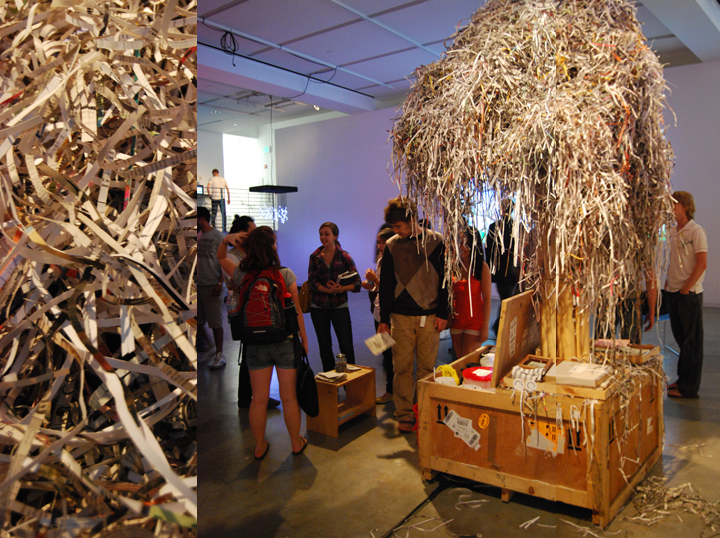
sculptural installation, installed at experimental digital arts gallery, broad art center @ UCLA
June 5-14, 2008
the forgiving tree lies at the intersection of art, design, and ecology. it aims to represent and encourage the precise ecological gesture that is needed at this time in human development – the use of closed loop regenerative technology in all departments – of a cradle to cradle technosphere. our current civilization is much like the little boy in Shel Silverstein’s The Giving Tree, who uses up his natural resources completely. The Forgiving Tree makes transparent the process of making media from Earth, and asserts that humanity, as individuals and collectives, must directly and locally reconfigure our built environment for wise and frugal sustainable human impact on the ecological system we live in.
“The garbage can is a design flaw. Like many physical manifestations of our culture, its use is rooted in a world of unlimited resources that never existed. The fact that we continue to build a culture centered around disposability and obsolescence proves that we have not yet learned to adapt to the world we actually live in.”
“In nature, trees are a closed loop. Consider the apple tree. The apple tree draws water and nutrients from the soil, and absorbs solar energy from its leaves through photosynthesis. The blossoms of the tree grow large and bear fruit. If the fruit is not all eaten, it will fall to the ground and rot. The seeds will become exposed and some of them will grow into new trees. The remaining seeds and rotting fruit decompose into soil, which continues to nourish the tree as it grows larger each year.”
“The paper tree is a closed loop. Sheet paper is shredded and bunched together to create the foliage. The foliage can be harvested, soaked and blended together with water to form paper pulp. The pulp is then screened and molded into sheets, drained, couched and pressed. If left to dry, the resulting paper product retains some of the qualities of the tree paper, and can be shredded again. If wet, the paper pulp can be applied to the paper tubes to strengthen the tree trunk.”
The Forgiving Tree was featured in Coalesce, the 2008 Senior Show at UCLA D|MA Experimental Digital Arts Gallery.